
In the vast and complex ecosystem of the global construction and rail industries, the production of high-quality quarry ballast stands as a critical, yet often understated, process. Ballast—the graded, angular aggregate that forms the bed for railway tracks or the foundation for road sub-bases—must meet exceptionally stringent specifications for size, shape, durability, and cleanliness. Producing this essential material efficiently and to exacting standards requires more than off-the-shelf machinery; it demands Bespoke Quarry Ballast Crushing Equipment. At the heart of sourcing this tailored technology are the specialized dealers who act as far more than mere vendors—they are integral technical partners, consultants, and lifecycle managers. This article delves into the pivotal role these dealers play, the complexities of bespoke ballast crushing systems, and the key considerations for quarry operators in selecting the right partner.
Before appreciating the dealer’s role, one must understand what makes ballast crushing equipment “bespoke.” Unlike standard aggregate production for concrete or asphalt, ballast has unique requirements:
Standard crushing plants often produce a broad range of products simultaneously. A bespoke system is engineered from the ground up to optimize for these specific outcomes:
A dealer of standard crushing equipment might focus on price and availability. A bespoke quarry ballast equipment dealer operates on a different plane entirely. Their value proposition is built on deep application engineering and long-term partnership.
1. Consultative Needs Analysis & Solution Design:
The process begins long before a sale. Reputable dealers invest time in understanding the quarry’s geology (rock type: granite, basalt, limestone?), existing infrastructure, target production capacity (TPH), and final product certification requirements. They conduct feasibility studies and often use advanced simulation software to model plant performance with different configurations before any metal is cut. This consultative approach ensures the proposed system isn’t just powerful but appropriate.
2. Engineering Integration & Custom Fabrication:
These dealers either have in-house engineering teams or direct access to OEM (Original Equipment Manufacturer) engineers. They manage the integration of crushers, screens, conveyors, feeders, and washing systems from potentially different specialized manufacturers into a cohesive plant. Custom chutes, transfer points designed to minimize wear/ degradation of product shape), dust suppression enclosures,and walkways are all part of the bespoke package.
3. Financing & Lifecycle Cost Projections:
Bespoke systems represent significant capital expenditure (CAPEX). Expert dealers provide transparent financial models that focus not just on purchase price but on Total Cost of Ownership (TCO). They project operational costs (OPEX)—energy consumption per ton,wear part cost per ton predicted maintenance downtime—helping clients make informed decisions based on long-term profitability rather than short-term savings.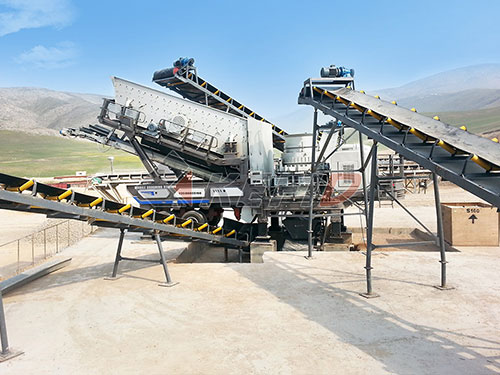
4. Commissioning & Performance Guarantees:
A key differentiator is active commissioning.Dealer specialists supervise installation calibrate settings,and conduct extensive test runs.They often provide performance guarantees tied to contract—ensuring throughput capacity product gradation shape indices These guarantees de-risk investment for quarry operator
5. After-Sales Support & Optimization:
The relationship intensifies after commissioning.Genuine bespoke dealers offer:
Dealers this niche generally fall three categories: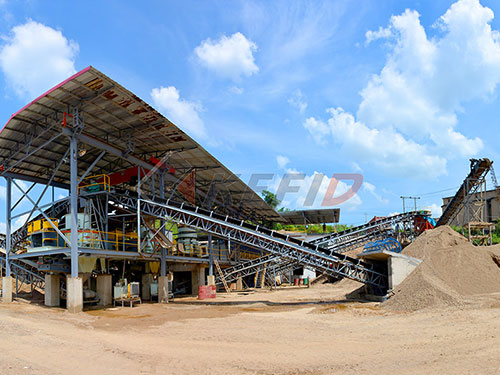
1.The Global OEM Dealer Network Large manufacturers like Metso Sandvik Terex MPS Kleemann have authorized distributors territories These dealers offer full portfolio brand’s equipment strong technical backup from parent company advantage seamless compatibility parts supply potential limitation being somewhat brand-centric solution
2.The Specialized Independent Integrator These firms independent represent several best-in-class manufacturers e.g., pairing jaw crusher one brand cone crusher another superior screen third They pride themselves unbiased application-driven solutions high degree customization flexibility engineering strength choosing right component each plant function
3.The Regional Specialist Often smaller deeply embedded local market profound understanding regional geology regulatory environment rail authority specifications They excel providing tailored solutions medium-sized quarries offering highly personalized service agility decision-making may lack global reach major brands
For quarry operator investing bespoke ballast plant due diligence selecting dealer critical:
Dealers face challenges including volatile raw material steel prices need skilled technicians rising expectations digital integration From operator perspective environmental regulations noise dust water recycling becoming stricter requiring even more sophisticated plant designs
Future points toward greater digitization.IoT-enabled machines allow dealers offer proactive predictive maintenance real-time performance tracking adjustments automation optimize product quality energy use Furthermore sustainability driving demand electric hybrid drives circular economy principles where waste fines possibly utilized other applications area where innovative dealers add value holistic site optimization
Bespoke quarry ballast crushing equipment represents pinnacle applied mineral processing engineering transforming raw blasted rock into precisely engineered material underpins safe efficient transport networks Dealers this space transcend traditional sales They essential partners success combining roles geological consultant mechanical engineer financial analyst service guarantor Choosing right one strategic decision impacts operational efficiency product quality profitability decades come In world where infrastructure demands grow ever more sophisticated partnership with knowledgeable reliable bespoke equipment dealer isn’t just convenient—it foundational project’s success itself
Lorem ipsum dolor sit amet, consectetur adipisicing elit. Consectetur sequi saepe ut sunt eveniet perferendis excepturi, iste obcaecati. Qui tempore hic sed quia soluta obcaecati vel.