
In the highly competitive and capital-intensive world of mining, operational efficiency is not merely an advantage—it is a prerequisite for survival and profitability. For iron ore producers, the journey from blasted in-situ material to a saleable concentrate or direct shipping ore (DSO) begins at the most critical link in the processing chain: the crushing plant. While standard, off-the-shelf crushing solutions may suffice for some applications, the unique and often challenging nature of iron ore deposits has made the bespoke iron ore crushing plant an increasingly strategic investment. A bespoke plant is not a luxury; it is a meticulously engineered system designed from the ground up to align precisely with the specific characteristics of the ore body, site conditions, and production goals, thereby unlocking maximum value over its entire lifecycle.
Iron ore is not a monolithic substance. Its characteristics vary dramatically from deposit to deposit and even within different zones of the same mine. This inherent variability presents fundamental challenges that a generic crushing circuit cannot adequately address. Key variables include:
A one-size-fits-all approach inevitably leads to compromises in one or more of these areas, resulting in chronic bottlenecks, excessive wear costs, unplanned downtime, and failure to meet product quality targets.
A bespoke crushing plant is characterized by its holistic design philosophy. Every component is selected and integrated based on a comprehensive analysis of the project’s specific data.
1. Comprehensive Ore Characterization: The Foundation of Design
The design process begins long before equipment selection with rigorous geometallurgical testing. This involves:
This data forms an empirical foundation upon which every subsequent engineering decision is based.
2. Stage-by-Stage Crusher Selection: Matching Machine to Task
A bespoke circuit typically employs multiple crushing stages—primary, secondary, tertiary, and sometimes quaternary—each optimized for its specific reduction role.
The key is that each crusher model type will be chosen based on actual test data rather than generic assumptions.
3.Optimized Plant Layout and Flow Sheet Design
The physical arrangement of equipment in a bespoke plant minimizes energy consumption material travel distances transfer points which are primary sources dust generation maintenance headaches A well-designed flow sheet incorporates flexibility such as: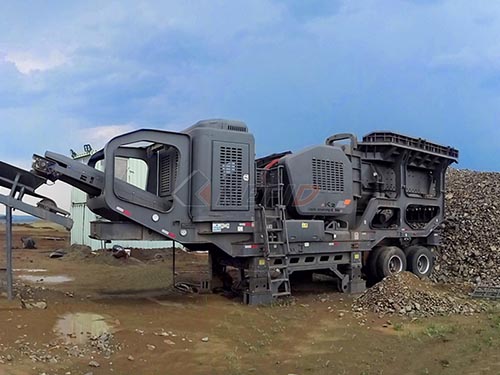
4.Material Handling Conveying Systems
Conveyors represent circulatory system entire operation Bespoke designs specify correct belt widths speeds pulley sizes idler spacing handle specific tonnages densities account abrasiveness material Customized chute designs with appropriate linings wear protection critical managing flow preventing blockques dust emissions especially problematic sticky ores
Modern bespoke plants far from being collections individual machines They integrated processing systems governed sophisticated Distributed Control System DCS Programmable Logic Controller PLC
Automation features include:
The capital expenditure CAPEX associated custom-designed facility typically higher than modular counterpart However total cost ownership TCO analysis invariably favors bespoke solution over long term through:
1.Reduced Operating Costs OPEX Higher availability lower specific energy consumption kWh/t reduced liner media costs fewer unplanned shutdowns translate directly bottom line
2.Maximized Yield Recovery Plant designed liberate ore at coarser crush sizes possible can significantly reduce grinding circuit load which single largest consumer energy entire mineral processing chain HPGR integration prime example this philosophy
3.Enhanced Product Quality Consistency Meeting stringent market specifications consistently commands premium prices avoids penalties ensures stable long-term contracts
4.Scalability Future-Proofing Well-engineered design incorporates provisions future expansion changes ore characteristics ensuring asset remains viable throughout mine life
In conclusion era treating crushing plant commodity purchase over mining industry recognizes strategic value process integration tailored engineering Bespoke iron represents pinnacle this approach transforming fixed cost center into dynamic value driver By meticulously matching every aspect system—from primary gyratory final screen—unique properties deposit operational objectives operators achieve unparalleled levels efficiency reliability profitability While initial investment significant return investment manifested sustained high performance reduced operating expenses enhanced product quality ultimately securing competitive edge volatile demanding global marketplace
Lorem ipsum dolor sit amet, consectetur adipisicing elit. Consectetur sequi saepe ut sunt eveniet perferendis excepturi, iste obcaecati. Qui tempore hic sed quia soluta obcaecati vel.