
In the global construction and mining industries, the demand for high-capacity, reliable aggregate production is insatiable. At the heart of this demand lie stationary stone crushing plants, with capacities like 250-300 tons per hour (tph) representing a critical benchmark for medium-to-large scale operations in quarrying, road building, and major infrastructure projects. While standard plants are available, many operators require bespoke solutions—custom-engineered plants tailored to specific raw material characteristics, final product specifications, spatial constraints, and environmental regulations. This specialized need creates a distinct and complex ecosystem around Bespoke 250-300tph Stone Crushing Plant Distributors. These entities are far more than mere equipment sellers; they are pivotal partners in translating unique client requirements into functional, efficient, and profitable production systems.
A standard 250-300tph plant might follow a generic layout: a primary jaw crusher, a secondary cone crusher, screens, and conveyors. A bespoke plant, however, is engineered from the ground up. Key customization factors include:
Distributors operating in this niche are intermediaries between original equipment manufacturers (OEMs) and end-users. Their value extends across the entire project lifecycle:
1. Technical Consultation & System Integration Expertise:
This is their core differentiator. A proficient distributor employs application engineers who conduct thorough site audits and material testing. They don’t just sell machines; they design flowsheets. They determine whether a two-stage or three-stage configuration is optimal for achieving 300tph with the desired product mix at the lowest cost per ton. They integrate equipment from various specialist OEMs—perhaps a primary crusher from one brand known for durability in abrasive rock and cone crushers from another renowned for precise particle shape control.
2. Portfolio Curation & Single-Point Responsibility:
Top-tier distributors typically hold authorized dealerships for several leading OEMs of crushers, screens, feeders, and conveyors. This allows them to offer unbiased recommendations based on performance rather than a single-brand catalog. For the client, this means dealing with one responsible entity for the entire plant package—simplifying procurement contracts after-sales support.
3. Localization & Project Management:
Global distributors with local subsidiaries or strong regional partners provide invaluable localization services. They understand local regulations (environmental permits,safety codes), logistics challenges,and can manage on-site erection & commissioning using trained local crews.They bridge language,cultural,and commercial gaps between international manufacturers and domestic clients.
4.Lifecycle Support & Parts Logistics:
The relationship does not end at commissioning.Distributors maintain strategic parts inventories locally to minimize downtime.They provide field service technicians,trained on the specific integrated system,and offer performance optimization services,wearing part management programs,and operator training—all crucial for maintaining sustained 250-300tph output.
The market comprises several types of distributors:
Operating in this space is fraught with challenges:
For a buyer investing millions into bespoke 250-300tph plant due diligence on distributor is critical.Evaluation criteria must include: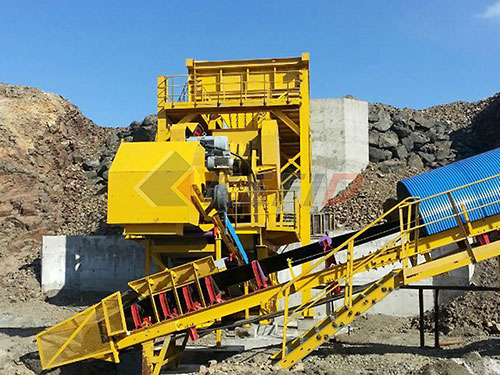
The role distributor evolving alongside industry trends:
1.Digitalization IoT): Distributors now must provide connected plants predictive analytics services becoming providers data-driven insights uptime guarantees).
2.Sustainability Focus: Growing demand electric hybrid drives noise enclosures water recycling systems.Distributors need expertise sustainable technology integration).
3.Modular Pre-Assembled Plants: For faster deployment trend towards skid-mounted modular designs.Distributors must adapt supply chain handle these larger pre-tested modules).
4.Aftermarket as Core Business: Increasingly revenue profitability come long-term service parts contracts making distributor reliability even more paramount).
Bespoke 250-300tph stone crushing plant distributors occupy vital nexus within aggregate supply chain.They transform generic industrial equipment into personalized productive assets.Their success hinges not on inventory alone but on profound application knowledge system integration prowess unwavering local support.As industry demands greater efficiency flexibility sustainability their role will only deepen evolving from equipment vendors true strategic partners enabling clients navigate complexities modern aggregate production ultimately building foundations literal figurative world around us.The choice right distributor therefore not merely procurement decision but foundational strategic one determining productivity profitability operational lifespan entire crushing operation
Lorem ipsum dolor sit amet, consectetur adipisicing elit. Consectetur sequi saepe ut sunt eveniet perferendis excepturi, iste obcaecati. Qui tempore hic sed quia soluta obcaecati vel.