
In the vast and intricate world of mineral processing and aggregate production, certain names resonate with historical significance and engineering pedigree. The Bergeaud crusher is one such name. While not as globally ubiquitous as some contemporary brands, Bergeaud represents a cornerstone of European industrial heritage, particularly within the French and broader continental quarrying sectors. This article delves into the history, technological contributions, typical applications, and enduring legacy of Bergeaud crushing equipment, providing a comprehensive overview of its role in shaping modern aggregate processing.
The story of Bergeaud is inextricably linked to the industrial heartland of Europe. Founded in France, the company established itself as a premier manufacturer of robust and reliable crushing machinery throughout the 20th century. For decades, Bergeaud was a familiar sight in quarries, mines, and construction sites, building a reputation for engineering excellence and mechanical durability.
The company’s trajectory mirrors the consolidation trend within the heavy machinery industry. In 1988, Bergeaud was formally integrated into the Swedish industrial giant Svedala. This acquisition was part of a broader strategy by Svedala to consolidate its position as a leader in rock processing solutions by absorbing specialized and respected manufacturers. Later, when Metso Corporation acquired Svedala in 2001, the Bergeaud lineage was absorbed into one of the world’s largest mineral processing equipment suppliers. Today, this legacy continues under the banner of Metso Outotec (now simply Metso following a subsequent demerger), which still manufactures and supports crushers that are direct descendants of original Bergeaud designs.
Understanding this corporate lineage is crucial. When one refers to a “Bergeaud crusher,” it could mean a machine manufactured before the Svedala acquisition bearing the original nameplate, or it could refer to a Svedala- or early Metso-era machine that is fundamentally a Bergeaud design. This continuity ensures that the engineering philosophy of Bergeaud remains alive and relevant.
Bergeaud’s product portfolio was comprehensive, covering primary, secondary, and tertiary crushing stages. Their most notable contributions came in the form of jaw crushers and cone crushers.
1. Bergeaud Jaw Crushers
Bergeaud jaw crushers were workhorses designed for primary crushing applications. They were engineered to handle the most demanding feeds, from hard abrasive granites to softer limestone.
2. Bergeaud Cone Crushers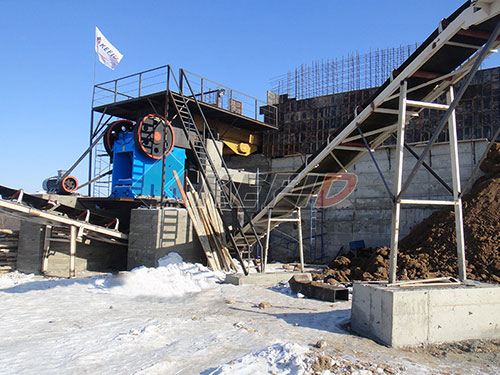
For secondary and tertiary reduction stages, Bergeaud cone crushers were highly regarded for their efficiency and product quality.
3. Other Equipment
Beyond jaws and cones, Bergeaud also manufactured other equipment integral to a complete processing plant, including:
Bergeaud crushers were deployed across a wide spectrum of applications:
The most tangible testament to the qualityof Bergeon machineryis its longevity.A vast numberof these machines remainin operationdecades after their manufacture.This createsa significant aftermarketfor spareand wear parts.Jaw plates,toggle plates,eccentric shafts,bowls,and mantlesforBergeoncrusherare stillin high demand globally.
For companies operating older plants,the availabilityof these partsis critical.Many specialized foundriesand independent distributorshave emergedto supplyhigh-quality,sometimes improved,manganese steelwear partsto keep these vintageworkhorsesrunning.Furthermore,the originalmanufacturer,Mesto continues tooffer genuine spare partsandsupportfor manyoftheselegacy models recognizingtheir installedbase’svalue.The currentMesto C Seriesjawcrusheror HP Seriesconecrusher can beseenas thdirectevolutionarydescendants incorporatingdecadesof refinementfromthe foundationalengineeringprinciplespioneeredbycompanieslikeBergson.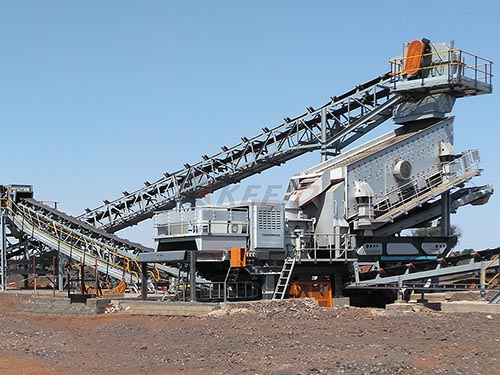
The Bergsoncrusher standsas amonumentto aparticular eraof Europeanindustrial manufacturing—aneracharacterizedbymechanical robustness straightforwarddesignandlong-term reliability While th brandname may nolongerappearonnew equipment its DNAis deeplyembeddedin themoderncrushingequipment landscape Throughthe corporatelineageof SvedalaandMetso th engineeringexcellenceofBergsonhasbeenpreserved refinedanddisseminatedglobally Forquarryoperators maintenanceengineersandhistoriansof technology th nameBergsonevokesrespectfor machinesthatwerebuilttolast provingthat soundengineeringdesign possesses atimelessqualitythattranscends corporatebrandingandcontinuesto drivethe essentialindustryofaggregateproductionforward
Lorem ipsum dolor sit amet, consectetur adipisicing elit. Consectetur sequi saepe ut sunt eveniet perferendis excepturi, iste obcaecati. Qui tempore hic sed quia soluta obcaecati vel.