Procuring a 500 TPH Gold Mining Washing Plant: A Comprehensive Guide for Importers
The acquisition of a 500-ton-per-hour (TPH) gold mining washing plant represents a significant capital expenditure and a strategic pivot towards large-scale, high-volume operations for any mining enterprise. For importers, whether they are mining corporations, government entities, or large-scale contract miners, this procurement process is a complex undertaking that extends far beyond simply purchasing machinery. It involves a meticulous evaluation of technical specifications, logistical hurdles, financial planning, and long-term operational viability. This article provides a detailed guide for importers navigating the multifaceted process of sourcing and importing a 500 TPH gold washing plant.
1. Understanding the Scale and Core Components
A 500 TPH plant is not a single machine but an integrated processing system designed to handle massive volumes of alluvial or eluvial material. The primary function is to separate gold from gravel, clay, and sand through a series of physical processes like scrubbing, screening, gravity separation, and sluicing. Key components typically include:
- Feed System: A high-capacity hopper and feeder system, often with a grizzly section to remove oversized rocks, capable of continuously handling 500 tons of material every hour.
- Scrubbing and Washing Module: A robust trommel scrubber or log washer is essential for breaking down clay-bound aggregates (agglomerates) and thoroughly cleansing the gravel to liberate gold particles.
- Screening Deck: Integrated within the trommel or as a separate vibrating screen, this component classifies material by size, sending sub-1″ or sub-½” material to the recovery section while ejecting waste oversize.
- Gold Recovery Units: This is the heart of the plant. For a 500 TPH operation, this typically involves a bank of centrifugal concentrators (like Knelson or Falcon concentrators) to capture fine gold, supplemented by sluice boxes or jigs for coarse gold recovery. The specific configuration depends on the gold’s granulometry.
- Tailings Management System: A sophisticated water-and-slurry handling system comprising pumps, pipelines, cyclones (for dewatering), and settling ponds is non-negotiable at this scale to manage environmental impact and water recycling.
- Power Plant: A 500 TPH plant is immensely power-hungry. Importers must decide between connecting to a local grid (if stable and available) or provisioning a dedicated high-capacity diesel or heavy fuel oil power generator set.
- Support Structure and Conveyors: The entire plant is mounted on a heavy-duty steel frame and relies on a network of belt conveyors to transport material between modules.
2. The Pre-Procurement Phase: Defining Requirements
Before engaging suppliers, importers must conduct an exhaustive internal analysis.
- Ore Body Characterization: The plant design is entirely dependent on the characteristics of the feed material. Critical parameters include:
- Clay Content: High clay content necessitates a more powerful scrubbing system.
- Rock Size and Hardness: Influences the design of the grizzly and scrubber.
- Gold Particle Size and Shape: Determines the optimal recovery method (e.g., centrifugal concentrators for fine gold, sluices for nuggets).
- Feed Grade: Impacts the required recovery efficiency to ensure economic viability.
- Site-Specific Conditions: Factors such as climate (arctic vs. tropical), topography, water availability, and proximity to infrastructure will heavily influence the plant’s design, construction materials (e.g., corrosion-resistant steel), and layout.
- Regulatory Compliance: Importers must have a clear understanding of local environmental regulations regarding water usage, tailings disposal, emissions (if using generators), and noise levels. The plant design must incorporate features to meet these standards.
3. Supplier Sourcing and Evaluation
The global market for mining equipment features established manufacturers primarily from China, South Africa, the United States, Canada, and Europe.
- Supplier Types:
- Integrated OEMs (Original Equipment Manufacturers): Companies that design and manufacture all key components in-house. They offer turnkey solutions but may be less flexible with third-party equipment integration.
- Engineering & Fabrication Houses: These firms design the system but may source specific high-tech components (like concentrators) from specialized manufacturers. They often offer more customization.
- Key Evaluation Criteria:
- Proven Track Record: Request case studies and references for plants of similar capacity that are currently operational.
- Technical Expertise & R&D Capability: Assess their engineering team’s ability to design based on your specific ore body data.
- Manufacturing Quality & Quality Control: Ideally conduct an audit of their manufacturing facility to inspect welding standards, material quality control procedures like NDT testing etc..
- After-Sales Service & Support: This is critical. Evaluate their global network for spare parts supply; availability of field service engineers; training programs etc..
4.The Procurement Process: From Tender to Contract
A structured procurement process mitigates risk.
- Request for Quotation (RFQ): Develop a comprehensive RFQ document detailing all technical specifications; site conditions; desired performance guarantees; delivery terms etc..
- Technical & Commercial Bid Analysis: Shortlist suppliers based not only on price but on the technical merit of their proposed solution; reliability; energy efficiency etc.. Scrutinize what is included in the price e.g., shipping insurance etc..
- Performance Guarantees (PGs): Negotiate binding PGs for throughput recovery rate power consumption etc.. These are often backed by liquidated damages clauses which provide financial compensation if performance falls short after commissioning etc..
- Payment Terms: Standard terms involve progressive payments e.g., down payment upon contract signing milestone payment upon completion of fabrication final payment upon shipment retention payment after successful commissioning etc.. Letters-of-Credit are commonly used in international transactions etc..
5.Logistics Importation & Customs Clearance
Moving several hundred tons of steel machinery across continents requires expert planning.
Incoterms: It is crucial to define responsibilities clearly using International Commercial Terms e.g., FOB means supplier delivers goods onboard vessel at origin port while CIF includes cost insurance freight to destination port however importer handles import clearance DDP means supplier handles everything until delivery at site which simplifies process but increases cost significantly etc..
Shipping Method: Modules may be shipped break-bulk requiring specialized heavy-lift vessels Ro-Ro ships or in containers depending on modularity Design must consider transportability Oversized modules require special permits escort vehicles route surveys etc..
Customs Clearance: Engage experienced customs brokers early Provide them with detailed packing lists harmonized system codes certificates-of-origin etc.. Be aware of potential import duties taxes VAT which can substantially impact total landed cost Some countries offer duty exemptions for capital equipment intended for mining development verify eligibility beforehand
6.Commissioning Spare Parts & Long-Term Operational Considerations
Procurement does not end when the plant arrives at the port.
Commissioning: The supplier will typically send engineers supervise assembly startup fine-tuning Performance acceptance tests should be conducted during this phase against agreed-upon PGs
A Critical Success Factor – Spare Parts Strategy: Downtime on 500 TPH plant costs tens-of-thousands dollars per hour Procure initial spares package covering critical wear parts liners pump impellers screen mats conveyor belts electrical components Establish robust inventory management system locally
Training Local Workforce Ensure supplier provides comprehensive operational maintenance training Knowledge transfer empowers local team reduces dependency on expensive expatriate technicians ensures long-term sustainability operation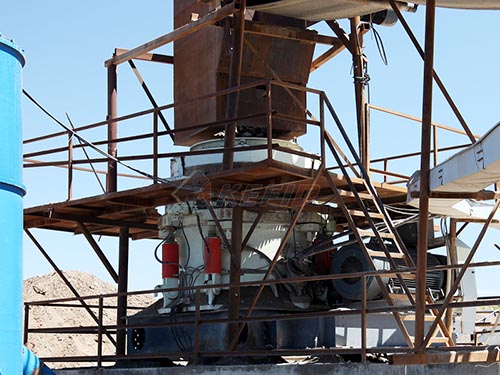
Conclusion
Procuring importing 500 TPH gold washing plant monumental project requiring blend technical acumen financial diligence logistical expertise Success hinges not just selecting right supplier designing system tailored unique geological logistical context By meticulously navigating pre-procurement planning rigorous supplier evaluation complex logistics importers can transform this significant investment into cornerstone highly profitable sustainable large-scale mining operation delivering strong returns decades come
