
The procurement and installation of a 250-300 Tons Per Hour (TPH) stone crushing plant represent a capital-intensive and strategically vital investment for any quarrying, mining, or large-scale construction project. This mid-to-high capacity range is the workhorse for producing aggregates for infrastructure, concrete, and road base materials. The performance, reliability, and longevity of this plant directly dictate operational profitability.
Vendor inspection is not merely a procedural step; it is a rigorous, systematic risk mitigation and quality assurance process conducted before the shipment of major equipment. For a 250-300 TPH plant, which involves complex mechanical, electrical, and structural systems worth millions, skipping or inadequately performing vendor inspections can lead to catastrophic failures, prolonged commissioning delays, safety hazards, and severe financial losses. This guide details the comprehensive inspection protocol that buyers must undertake to ensure their investment meets all technical, safety, and contractual specifications.
Success in vendor inspection is determined long before setting foot on the factory floor.
Documentation Review (The Paper Trail): The inspection begins with a meticulous review of all contractual and design documents.
Forming the Inspection Team: Assemble a multidisciplinary team including:
Developing the Inspection & Test Plan (ITP): Co-develop with the vendor a detailed ITP listing all “Hold,” “Witness,”and “Review” points. Key hold points typically include:
The FAT simulates plant operation under controlled conditions to prove functional performance.It must be witnessed by the buyer’s team.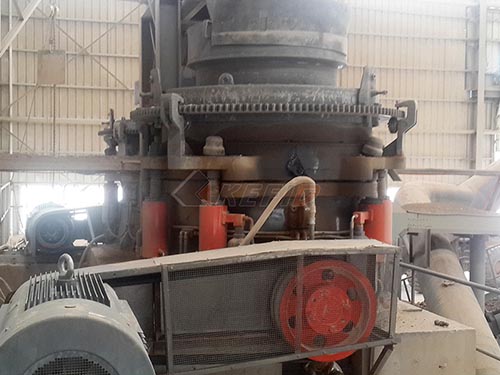
Test Prerequisites
All components are assembled in a logical flow,mimicking final installation.Electrical systems are energized.Safety guards are installed.Test run checklist signed off by vendor QA.
Mechanical Running Tests
1.No-Load Test(Run-in): Start each major unit individually-crushers,vibrating screens,belt conveyors,fans.Run for minimum4-6 hours continuously.Monitor:
Vibration Levels: Use portable vibration analyzers on bearing housings.Readings should be well within ISO10816 limits.Velocity(mm/s RMS)and displacement readings are key indicators of imbalance,misalignment or looseness.Noise Levels: Check for unusual grinding or knocking sounds.Bearing Temperatures: Monitor with infrared thermometers.Temperatures should stabilize below80°C typically.Seal Integrity: Check for oil leaks at shaft seals.Lubrication System: Ensure proper oil flow to crusher bearings,jacketed heat exchangers if present.
2.Load Test(Critical Performance Proof):
This may use representative material stockpiled at the factory.The goal is not necessarily to achieve full300 TPH but to verify mechanical stability under load.Key checks:
Crusher Power Draw: Monitor amperage on main motors.It should correlate with load without exceeding motor nameplate rating.Conveyor Tracking: Belts must run true without edge damage.Screen Efficiency: Observe material stratification on screen decks;no excessive blinding or pegging.Dust Suppression System Flow Test: Verify water spray nozzle functionality at transfer points.
3.Control System Functional Test(Witnessed in Control Panel):
Local/Remote Control: Verify switching capability from local control stations to the central PLC panel.Motor Start Sequences & Interlocks: Test soft-start/VFD sequences.Critical interlocks must be verified:e.g.,conveyor startup sequence(from discharge back to primary crusher),crusher cannot start without lubrication flow,trip on high bearing temperature/belt slip.Emergency Stops(E-Stops): Activate each E-stop pull cord/button;ensure entire line shuts down immediately as per designed safety circuit.PLC/SCADA Interface(if applicable):Check mimic display accuracy,input/output signal statuses alarm annunciation(e.g.,”Primary Crusher High Vibration”).
Upon successful FAT,a formal report is generated documenting all test parameters results deviations noted corrective actions taken.This becomes part of the plant’s permanent record.Final steps include:
As-Built Drawing VerificationConfirm any field modifications during assembly are updated on drawings provided to you.Final Dimensional CheckVerify overall shipping dimensions weight confirm transport feasibility.Packing&Preservation AuditEnsure machined surfaces(e.g.,shaft ends flanges)are coated with anti-corrosive grease.Critical electrical components(PLC sensors)are packed in moisture-proof containers.All items are clearly marked with item numbers per packing lists.Open gear sets(screen drives)crated separately.Structural parts properly supported within containers prevent transit damage.**Documentation Handover***Secure complete documentation package including operation maintenance manuals lubrication charts electrical diagrams software backups FAT certificates material certifications final as-built drawings
Inspectors must be vigilant for recurring issues:
Inadequate DocumentationMissing MTCs uncertified welders outdated drawings.Substitution Without ApprovalUse of lower-spec bearings motors structural steel grades than specified.Poor Workmanship EvidenceExcessive weld spatter uneven paint application misaligned pulley grooves damaged paint during handling.**Rushed or Incomplete FAT***Vendor reluctance conduct full-duration tests skipping load test using non-representative material pressure sign-off prematurely
Any non-conformance(NCR)must be formally documented require vendor propose corrective action re-inspection may necessary before granting shipment release
Forcing a250-300TPH stone crushing plant represents significant technical logistical undertaking Comprehensive vendor inspection proactive not reactive process It serves final defense against substandard equipment ensuring delivered plant capable achieving rated production reliably safely within expected lifecycle costs While requiring upfront investment time expertise cost thorough professional inspection pales comparison potential losses from weeks commissioning delays catastrophic in-service failures By meticulously verifying every stage from material certification final functional test buyers transform their role passive purchasers informed partners securing foundation profitable productive aggregate operation
Lorem ipsum dolor sit amet, consectetur adipisicing elit. Consectetur sequi saepe ut sunt eveniet perferendis excepturi, iste obcaecati. Qui tempore hic sed quia soluta obcaecati vel.