The 250-300 TPH Stone Crushing Plant: A Comprehensive Analysis for the Modern Trading Company
In the global construction and infrastructure development sector, the demand for high-quality aggregates—crushed stone, sand, and gravel—remains insatiable. At the heart of this supply chain lies the stationary stone crushing plant, a cornerstone of industrial productivity. Among the most sought-after configurations is the 250-300 Tons Per Hour (TPH) stone crushing plant, representing a perfect equilibrium of substantial output, operational efficiency, and manageable capital investment. For a trading company specializing in heavy industrial equipment, this product category is not merely an inventory item; it is a strategic asset that serves a critical market segment. This article provides a detailed professional analysis of the 250-300 TPH crushing plant from the perspective of a trading company, covering its technical composition, market applications, competitive advantages, procurement considerations, and key selling propositions.
1. Technical Configuration & Core Components
A 250-300 TPH plant is a mid-to-large-scale setup designed for continuous, high-volume production. It is not a single machine but an integrated system where components are meticulously matched for optimal workflow.
- Primary Crushing Station: This is the first point of contact with raw feed (typically large rocks up to 750mm). The workhorse here is usually a robust jaw crusher (e.g., 1200×1500 mm) or a gyratory crusher. For softer materials like limestone, a heavy-duty impact crusher might be employed. Its duty is to perform initial size reduction to around 150-250mm.
- Secondary & Tertiary Crushing Stages: To achieve precise aggregate gradation (sizes), secondary and sometimes tertiary stages are essential. Cone crushers are predominant here due to their ability to produce well-shaped cubical aggregates efficiently and handle abrasive materials. A combination like two mid-sized cone crushers (e.g., one for secondary, one for tertiary) or multiple units operating in parallel is common for this capacity range.
- Screening System: Efficiency hinges on effective screening. Multi-deck vibrating screens separate crushed material into predefined size fractions (e.g., 0-5mm, 5-15mm, 15-25mm). Oversized material is recirculated via conveyor belts back to the appropriate crusher in closed-circuit operations—a critical feature for maximizing yield and product consistency.
- Material Handling Network: A network of belt conveyors, feeders (apron or vibrating), and transfer points forms the plant’s circulatory system. Their width, speed, and durability must be engineered to handle peak loads without bottlenecks.
- Supporting Infrastructure: This includes steel structures/foundations, dust suppression systems (water spray nozzles) or advanced baghouse filter systems to meet environmental standards, centralized electrical control panels with PLC automation for smooth sequencing and monitoring, and onboard power generation options (diesel generator sets) for remote sites.
2. Target Market & Applications
A trading company must precisely identify where this capacity range fits within client needs:
- Large-Scale Infrastructure Projects: Government-led highway networks, railway ballast production, port developments, and dam constructions require consistent supply from dedicated on-site or nearby quarries.
- Commercial Aggregate Producers: Established quarry owners looking to upgrade from smaller (<150 TPH) plants to capture larger contracts or supply growing regional markets.
- Mega Construction Projects: Urban development zones requiring concrete aggregates (for ready-mix plants) and asphalt aggregates (for asphalt mixing plants).
- Mining & Industrial Minerals: Processing limestone for cement plants or other industrial minerals where size reduction is a primary step.
The 250-300 TPH output translates roughly to 2-2.4 million tons per year (assuming 8-hour daily operation), making it suitable for feeding major long-term projects.
3. Competitive Landscape & Sourcing Strategy
Trading companies operate in a dynamic field between manufacturers and end-users.
- European/North American Brands (Premium Tier): Brands like Metso Outotec , Sandvik , Kleemann , and Terex offer cutting-edge technology with high automation (like ASRi cone crusher automation), superior wear part longevity, comprehensive after-sales support networks globally—but at a premium capital cost.
- Trading Angle: Position these as “total cost of ownership” solutions where reliability over decades in harsh conditions justifies higher upfront investment.
- Chinese/Korean/Turkish Brands (Value Tier): Manufacturers such as SBM , Liming Heavy Industry , Samyoun , and FABO provide highly competitive pricing with rapidly improving quality standards—often offering “ready-to-ship” modular designs that reduce installation time significantly.
- Trading Angle: Offer compelling value propositions for budget-conscious yet serious buyers; emphasize modern designs compliant with international standards; crucial to vet factory quality control processes thoroughly.
- Used/Refurbished Equipment Market:
- Trading Angle: A significant niche exists here—offering professionally refurbished premium-brand plants at ~40-60% of new cost can attract savvy buyers; requires deep technical expertise in inspection/reconditioning.
A successful trading company often maintains relationships across tiers to offer clients tailored options based on budget vs performance priorities.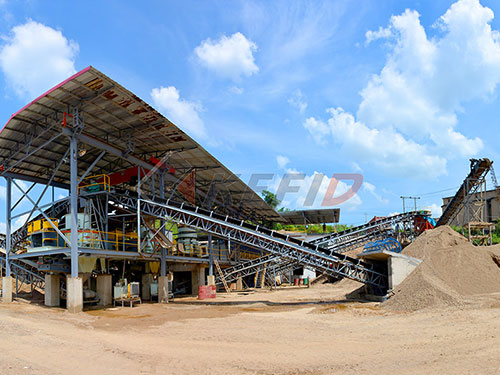
4. Critical Procurement & Quality Assurance Considerations
When sourcing these plants for resale:
- Material Compatibility Analysis: The plant design must align with feed material characteristics: compressive strength (<200 MPa vs >350 MPa), abrasiveness index (<0.5 vs >0.8), silica content affecting dust generation etc.—these dictate choice between jaw/impact/cone crushers as well as wear material grades used throughout flow lines including liners/manganese steel castings quality checks become paramount during sourcing inspections…
- Modularity vs Fixed Design Tradeoffs – Modular plants mounted on steel skids offer faster installation (<2 weeks) while traditional fixed foundation installations take longer but may provide greater stability under extreme loads over decades…
- Automation Level Integration – Modern PLC systems monitor motor loads/crusher pressure settings automatically adjusting feeder rates optimizing throughput protecting equipment from overload damage while providing valuable production data remotely accessible via SCADA interfaces adding significant operational value…
- After-Sales Support Structure – Availability/non-exclusivity agreements regarding genuine spare parts supply chains including critical wear parts inventory planning assistance provided directly by trader enhances customer trust significantly beyond just transactional relationships…
5.Key Selling Propositions from Trader Perspective
Beyond simply brokering equipment sale transactions:
• Technical Advisory Services: Conduct preliminary site assessments reviewing geological reports recommending optimal configurations even before formal quotation stages building credibility early…
• Financial Packaging Solutions: Partnering with leasing firms/international export credit agencies facilitating financing arrangements particularly important developing markets where capital expenditure constraints exist…
• Logistics & Commissioning Supervision: Managing complex international shipping customs clearance providing field engineers supervise erection commissioning ensuring smooth handover reducing client’s project risk exposure…
• Training Programs Development: Offering comprehensive operator/maintenance training either onsite at manufacturer facilities using simulators translated manuals improving overall plant utilization rates post-purchase…
6.Environmental Compliance & Sustainability Trends
Increasingly stringent regulations worldwide impact design specifications significantly:
• Dust Emission Control Systems moving beyond simple water sprays towards enclosed transfer points baghouse filters meeting PM10/PM2_5 standards…
• Noise Abatement Measures using acoustic enclosures around key machinery especially urban fringe quarry locations…
• Energy Efficiency Optimization through variable frequency drives VFDs on conveyors/crushers reducing power consumption per ton produced becoming major selling point amid rising energy costs globally…
Furthermore circular economy initiatives drive demand mobile secondary crushing units processing demolition concrete waste but stationary primary-secondary-tertiary setups remain irreplaceable virgin aggregate production meeting base load demands infrastructure growth…
Conclusion
For trading company specializing heavy industrial equipment understanding intricacies behind seemingly straightforward specification “250–300tph stone crushing plant” involves multidimensional expertise spanning mechanical engineering process flow optimization international trade finance environmental regulations… Success hinges ability curate right equipment package specific application while providing holistic service envelope reducing perceived risk buyers navigating complex capital investment decisions… As global infrastructure development continues evolving particularly emerging economies Asia Africa Middle East this capacity range will remain central portfolio any serious player sector requiring deep technical knowledge coupled strategic market insight ensure long-term profitability customer satisfaction alike… Ultimately trader role transcends mere intermediary becoming trusted advisor capable delivering turnkey solutions tailored unique challenges faced by aggregate producers worldwide today tomorrow…
