
In the competitive and demanding arena of aggregate production, the 250-300 tons per hour (tph) stone crushing plant represents a critical benchmark. It is a mid-to-large-scale operation, often serving as the backbone for regional infrastructure projects, commercial concrete supply, and large-scale quarrying. For investors and project managers, the selection of a supplier for such a plant is a multi-million-dollar decision with long-term operational and financial implications. While factors like price, delivery time, and technical specifications are paramount, the most crucial differentiator between a successful investment and a perpetual operational headache lies in the supplier’s Quality Control (QC) system.
A robust QC framework is not merely an add-on service; it is the foundational philosophy that permeates every stage of a plant’s lifecycle—from design and manufacturing to commissioning and after-sales support. This article provides a comprehensive examination of the quality control measures that reputable suppliers must implement to ensure their 250-300tph crushing plants deliver optimal performance, durability, and return on investment.
A superior supplier operates on a proactive QC model. This means quality is designed and built into the plant, rather than being inspected out at the final stage. A reactive approach—checking for defects after assembly—is costly and often fails to catch underlying issues that lead to premature wear or catastrophic failure.
Proactive QC involves:
The physical construction of the plant is where QC becomes tangible. For a 250-300tph plant designed for continuous heavy-duty operation, this focuses on three core areas:
a) Structural Fabrication and Welding Integrity:
The plant’s chassis, hoppers, chutes, and support structures bear immense dynamic loads.
b) Mechanical Component Assembly and Precision:
The heart of the crushing plant lies in its moving parts.
c) Surface Treatment & Corrosion Protection:
A crushing plant operates in an abrasive and often corrosive environment.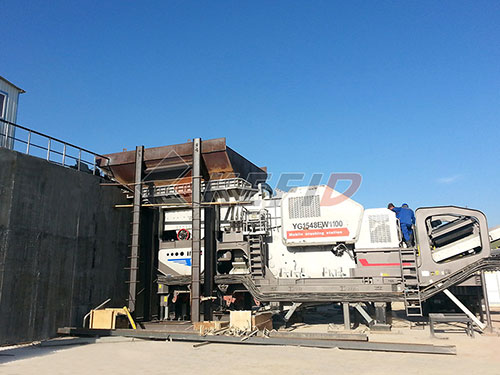
For a 250-300tph plant operating near its capacity limit with multiple interconnected units (feeder → jaw crusher → cone crusher → screens → conveyors), electrical reliability is paramount.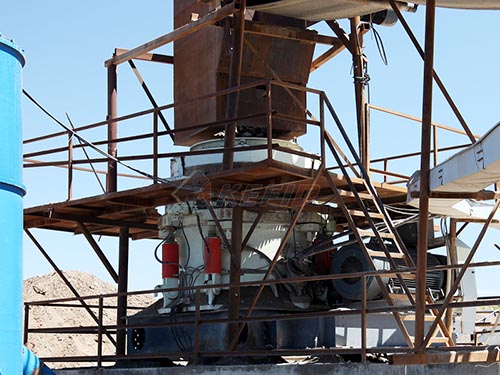
No manufacturer island Their quality only good their weakest link supplier
Raw Material Traceability Suppliers must provide traceability raw materials used their components especially wear parts like manganese liners crushers Proof material composition hardness directly impacts performance service life
Incoming Inspection Critical components received sub-suppliers undergo incoming inspection check conformity purchase order specifications dimensions visual defects Batch bearings motors sampled tested
Performance Warranty Reputable suppliers stand their products offering performance guarantees throughput final product shape aggregate gradation These backed test data simulations demonstrate confidence their design manufacturing
5 Documentation Training Cornerstone Long Term Reliability
Quality control extends beyond physical product comprehensive documentation operator training
As-Built Documentation Client should receive complete set as-built drawings electrical schematics piping instrumentation diagrams PIDs parts manuals list every component plant This invaluable maintenance troubleshooting future expansion
Commissioning Supervision Reliable supplier sends experienced engineers site supervise erection commissioning They ensure foundation bolts torqued correctly conveyors aligned chutes properly installed They fine-tune machine settings real conditions oversee initial startup
Operator Maintenance Training quality plant compromised poor operation Supplier should provide detailed training client’s operational maintenance staff covering daily checks lubrication schedules troubleshooting common problems recognizing early signs potential failure
Conclusion Investment Peace Mind
Choosing supplier 250-300tph stone crushing plant based solely lowest bid profound mistake True cost revealed years operation through availability maintenance costs final product quality downtime lost production revenue far outweighs any initial savings
Supplier demonstrates deep commitment integrated multi-stage quality control system—from validated design rigorous manufacturing standards thorough testing comprehensive documentation—is not just selling piece machinery They are delivering reliable productive asset engineered provide years trouble-free service When evaluating potential suppliers scrutinize their QC procedures request audit reports witness FAT prioritize transparency technical competence Ultimately investing premium quality upfront most cost-effective decision long run securing solid foundation business success
Lorem ipsum dolor sit amet, consectetur adipisicing elit. Consectetur sequi saepe ut sunt eveniet perferendis excepturi, iste obcaecati. Qui tempore hic sed quia soluta obcaecati vel.