The 250-300 TPH Stone Crushing Plant: A Comprehensive Guide to Customization for Optimal Production
In the competitive world of aggregate production, mining, and construction, the one-size-fits-all approach is a relic of the past. For high-capacity operations targeting outputs between 250 and 300 tons per hour (TPH), a customized stone crushing plant is not merely a luxury but a fundamental requirement for profitability, efficiency, and long-term viability. This article delves into the intricate process of customizing a 250-300 TPH crushing plant, exploring the technical considerations, component selection, and strategic planning that transform a standard setup into a finely tuned production asset.
Understanding the Scale: The Role of 250-300 TPH Plants
A 250-300 TPH stone crushing plant represents a significant investment and sits firmly in the medium-to-large-scale production category. It is typically employed for: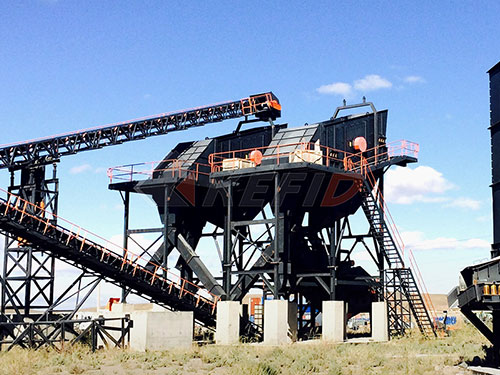
- Large Infrastructure Projects: Supplying aggregates for highways, railways, dams, and ports.
- Commercial Aggregate Supply: Feeding concrete batching plants and asphalt mixing plants in metropolitan regions.
- Mining Operations: Processing ore or overburden at a substantial rate.
At this scale, even minor inefficiencies—be it in material flow, power consumption, or final product gradation—translate into substantial operational costs. Customization is the key to mitigating these costs and maximizing return on investment.
The Pillars of Customization: From Feed to Final Product
Customizing a plant of this magnitude is a systematic engineering process that considers every stage of material reduction and handling.
1. Feed Material Analysis: The Foundational Step
Every successful customization begins with a thorough understanding of the raw material.
- Geological Properties: Comprehensive analysis of compressive strength, abrasiveness (e.g., using the Los Angeles Abrasion test), silica content, and moisture levels is critical. Highly abrasive rock like granite or trap rock demands different wear-part metallurgy and possibly crusher types compared to softer limestone.
- Feed Size Distribution: The maximum input size (typically up to 700-800mm for primary crushers) and gradation curve directly dictate the selection of the primary crusher’s opening and design.
- Required Final Products: Defining the exact specifications (size, shape, gradation) for end products (e.g., base course, concrete aggregates, asphalt chips) is paramount. A plant producing railway ballast has different needs than one making manufactured sand for high-strength concrete.
2. Strategic Process Flow Design: Open vs. Closed Circuit
The choice between open-circuit (material passes through crushers only once) and closed-circuit (material is recirculated via screens back to crushers for further reduction) configurations is central to customization.
- For consistent product sizing with high yield—especially when multiple spec products are needed—a multi-stage closed-circuit plant is standard at 250-300 TPH. This involves secondary and tertiary crushing/screening stages with precise conveyor routing controlled by programmable logic controllers (PLCs).
- Customization here involves designing screen decks (number, size, angle), determining recirculating loads (which impact conveyor sizing), and implementing sophisticated control systems to balance flow.
3. Crusher Selection & Configuration: The Heart of the Plant
This is where customization is most evident. A typical three-stage setup includes:
- Primary Crushing: Choice between robust Jaw Crushers (for high compressive strength rock) or high-capacity Gyratory Crushers for very large feed sizes in mining applications. For 300 TPH hard rock, a large jaw crusher (e.g., 1200x1500mm) or a mid-sized gyratory might be selected.
- Secondary Crushing: Typically handled by Cone Crushers. Customization involves choosing between standard cone designs for coarser products and short-head cones for finer reduction in tertiary stages. Key parameters include head diameter, eccentric throw speed adjustment capabilities via hydraulic systems.
- Tertiary/Fine Crushing & Shaping: For producing high-quality cubical aggregates or sand (Manufactured Sand – M-Sand), Vertical Shaft Impactors (VSI) are often customized into the circuit. Their rotor design anvil configurations can be tailored specifically to shape characteristics required by local construction standards.
4. Screening & Material Handling Precision
Screens are not just separators; they are quality control points.
- Customization involves selecting screen types—vibrating inclined screens scalping screens—with appropriate deck media (wire cloth polyurethane panels) tailored to material abrasiveness desired separation efficiency.
Sizing conveyors with proper width speed impact beds dust sealing ensures seamless transfer without bottlenecks spillage which at 300 TPH can cause significant downtime safety hazards.
5. Power Supply & Plant Mobility
A 250-300 THP plant has substantial power demands often exceeding 500 kW depending on equipment choices Options include:
- Connection to local grid with appropriate transformers soft starters
- Dedicated diesel generators
- Hybrid solutions
Mobility needs dictate design: stationary skid-mounted modular units offer flexibility relocation expansion while permanent installations allow deeper foundations optimized layout minimal vibration transfer
Advanced Customization & Automation Integration
Modern custom plants go beyond mechanical configuration:
- Dust Suppression & Environmental Compliance: Tailored systems using mist cannons foam sprays enclosure hoods designed specific material characteristics local environmental regulations essential component not an afterthought
- PLC SCADA Systems Enable centralized monitoring control allowing operators adjust crusher settings screen angles conveyor speeds real-time optimizing production balance circuits preventing overloads
*Predictive Maintenance Sensors Vibration temperature sensors installed on critical bearings motors provide data analytics predict failures schedule maintenance reducing unplanned downtime
Challenges in Customizing Large-Capacity Plants
Customization presents its own set challenges that must be managed:
Higher Initial Capital Cost Custom engineered solutions require more detailed engineering specialized components leading greater upfront investment compared standardized packages
Complex Project Management Requires close collaboration between client engineering team suppliers ensure all custom elements integrate flawlessly within budget timeline
*Long-Term Spare Parts Strategy Unique configurations may necessitate stocking specific wear parts requiring robust inventory management planning
Conclusion: The Path to Becoming an Efficient Producer
Customizing stone crushing plant within range represents strategic commitment operational excellence By moving beyond catalog specifications producers can engineer system precisely aligned their unique material feedstock market demands site constraints result transcends mere equipment collection becomes cohesive highly efficient production entity Key lies conducting exhaustive preliminary analysis partnering experienced engineering firm views project holistic integrated system rather collection individual machines Ultimately customized TPH plant delivers superior return investment through optimized product yield reduced energy consumption per ton produced lower long-term operating costs enhanced flexibility meet evolving market requirements making cornerstone sustainable profitable aggregate production business modern era
