
In the realm of aggregate processing and construction material supply, the 250-300 tons per hour (TPH) stone crushing plant stands as a critical benchmark for mid-to-large scale operations. This capacity range represents a significant investment in infrastructure, designed to deliver high-volume, consistent output for major projects such as highway construction, large-scale concrete production, railway ballast supply, and commercial development. Understanding its configuration, components, operational principles, and economic implications is essential for quarry owners, contractors, and project managers.
A 250-300 TPH crushing plant is a fully integrated processing system capable of transforming blasted raw rock (typically with a feed size of up to 500-750mm) into precisely sized and shaped aggregate products. Its output of 6,000 to 7,200 tons per day (assuming 24-hour operation) places it firmly in the category of industrial-scale production.
Primary Applications Include: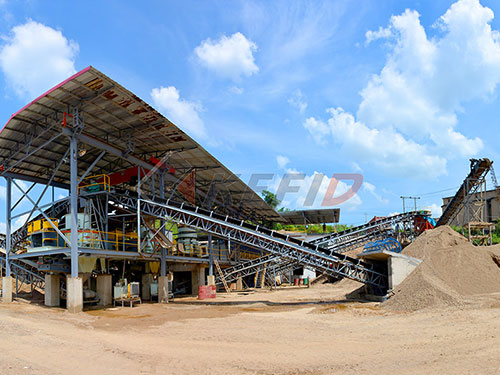
A plant of this caliber is not a single machine but a synchronized circuit of interconnected equipment. The typical layout follows a multi-stage crushing philosophy—primary, secondary, tertiary (and sometimes quaternary)—to achieve optimal reduction efficiency and product shape.
A. Primary Crushing Station:
B. Secondary Crushing Stage: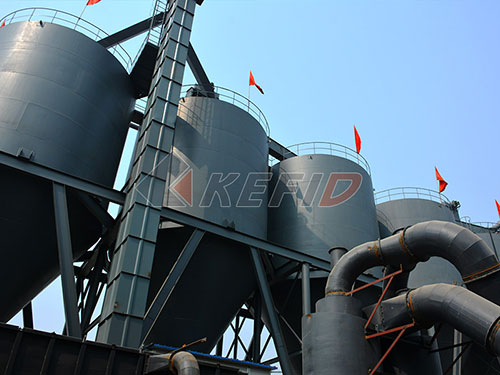
C. Tertiary/Final Crushing Stage:
D. Screening System:
The heart of product classification. A plant at this scale will feature multiple large vibrating screens arranged in decks with various aperture sizes.
E. Material Handling Conveyors:
An extensive network of heavy-duty belt conveyors forms the plant’s circulatory system. Their width (often 800mm-1200mm), speed design must be meticulously engineered to handle peak loads without bottlenecks.
F. Control & Automation System:
Modern plants are governed by a centralized Programmable Logic Controller (PLC) system housed in an operator cabin with SCADA interfaces.
Designing such a plant requires careful balancing of numerous factors:
Power Requirement entire plant typically ranges between kW depending configuration sophistication dust suppression systems
Plant Footprint including stockpiles reclaim tunnels easily exceed square meters requiring significant land planning permits
To justify its capital expenditure CAPEX such plant must demonstrate operational excellence measured through:
1 Availability Target >90% minimizing downtime through preventive maintenance
2 Aggregate Product Shape Index Flakiness Elongation Index critical concrete asphalt specifications
3 Tons per Hour TPH consistently meeting design capacity under real-world conditions
4 Cost per Ton Covers electricity wear parts labor most important metric profitability
Capital Investment range $2 million $5 million depending equipment brand level automation site preparation costs
Minimum Order Quantity MOQ Implications While term MOQ more associated consumables component suppliers project context implies minimum viable contract size justify mobilizing operating plant Typical MOQ commercial agreement might be tons corresponding several weeks continuous production ensuring economic utilization
Return on Investment ROI heavily influenced by:
Proximity high-demand markets reducing logistics cost
Access reliable low-cost power water resources
Efficient logistics fleet management loading out finished products
Modern TPH plants incorporate stringent mitigation measures:
Dust Suppression Systems fog cannons water sprays enclosure transfer points baghouse filters mandatory most jurisdictions
Noise Abatement acoustic enclosures around screens strategic berm placement
Water Recycling closed-loop systems wash plants achieve near-zero discharge conserving resources complying regulations
Automation Remote Monitoring IoT sensors track wear performance predict failures optimize throughput reducing human intervention energy consumption per ton produced
Hybrid Electrification growing trend integrate solar power battery storage supplement grid power especially remote locations reducing carbon footprint operational costs over long term lifespan which can exceed years proper maintenance upgrades along way making cornerstone infrastructure any developing region’s construction industry backbone supplying essential raw materials built environment around us today tomorrow alike thus understanding intricacies paramount successful deployment management such significant industrial asset
Lorem ipsum dolor sit amet, consectetur adipisicing elit. Consectetur sequi saepe ut sunt eveniet perferendis excepturi, iste obcaecati. Qui tempore hic sed quia soluta obcaecati vel.