
In the global construction and infrastructure development sector, the demand for high-capacity, reliable aggregate production is insatiable. At the heart of this supply chain lies the 250-300 Tons Per Hour (TPH) stone crushing plant—a workhorse facility designed for medium to large-scale quarrying, mining, and major infrastructure projects. This article provides a detailed, professional examination of such plants, focusing on their design, manufacturing considerations, key components, and the critical factors involved in placing a successful bulk order.
A 250-300 TPH stationary or semi-mobile crushing plant is a significant capital investment designed for continuous, high-volume production. It typically processes hard rocks like granite, basalt, or limestone into specified aggregate sizes (e.g., 0-5mm, 5-10mm, 10-20mm, 20-40mm) for use in concrete, asphalt, road base, and railway ballast.
Market Positioning: This capacity range sits strategically between smaller portable plants (50-150 TPH) suited for short-term projects and massive mega-plants (500+ TPH) for dedicated mining operations. It is the preferred choice for:
The efficiency of a 250-300 TPH plant hinges on a well-engineered process flow and robust equipment selection. A classic three-stage crushing circuit is standard.
a) Primary Crushing Station (Jaw Crusher):
b) Secondary Crushing Station (Cone Crusher):
c) Tertiary/Final Crushing & Screening Station (Cone & Vertical Shaft Impact Crushers):
d) Screening System:
e) Conveying System:
f) Auxiliary Systems:
When a manufacturer builds a plant of this scale, several engineering principles govern the process:
a) Capacity Balancing: The most common pitfall is mismatched stage capacities. The secondary stage must be sized to handle the maximum output from the primary stage under various feed conditions. Sophisticated manufacturers use simulation software to model material flow and optimize equipment selection.
b) Redundancy & Uptime: For a bulk order intended for critical supply chains, reliability is paramount. Design choices like split conveyor feeds allowing material diversion during maintenance or oversized components that operate below rated stress levels enhance overall availability.
c) Material Selection & Wear Parts:
d) Flexibility & Future-Proofing: Plants should be designed with potential future capacity upgrades or product mix changes in mind—modular layouts facilitate this.
Placing a bulk order—for multiple identical plants or a single large turnkey project—requires meticulous due diligence beyond standard purchasing.
a) Technical Specification Development:
The buyer must develop exhaustive technical specifications covering:
b) Supplier Qualification:
Evaluate manufacturers based on:
c) Commercial & Contractual Aspects:
A typical project timeline involves:
1.Basic Engineering & Layout Approval(4–6 weeks): Manufacturer submits general arrangement drawings flow diagrams electrical single-line diagrams Buyer approval locks core design
2.Detailed Engineering(8–10 weeks): All fabrication drawings control system programming
3.Procurement & Fabrication(16–20 weeks): Long-lead items(crusher castings large motors gearboxes ordered first Steel cutting welding machining assembly painting
4.Shop Testing(2 weeks): Control system FAT(Factory Acceptance Test witnessed by buyer’s engineers
5.Packaging Shipping(Variable): Heavy-lift planning sea/road transport logistics
6.Erection Commissioning(8–12 weeks onsite): Foundation checks mechanical erection electrical connection dry testing wet testing with material performance acceptance tests(PAT)
Modern plants reflect evolving demands:
Automation Intelligence :Advanced PLC/SCADA systems enable fully automated start-up sequencing load management real-time monitoring key parameters(motor amps cavity levels pressure).Integration IoT sensors allows predictive maintenance alerts wear part tracking
Energy Efficiency :High-efficiency motors VFDs recover energy during deceleration.Optimized crushing chamber designs reduce specific power consumption(kWh/ton)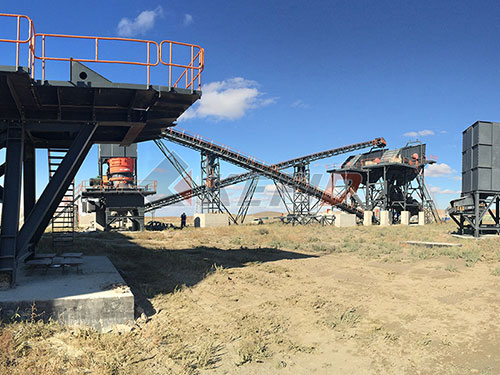
Sustainability Focus :Water recycling dust collection systems noise enclosures electric hybrid drive options becoming more prevalent
Mobility Concepts :While stationary some designs use modular skid-mounted sections that can be relocated within site expanding operational flexibility without sacrificing capacity
Procuring manufacturing bulk order stone crushing plant represents major strategic investment Its success depends equally sound engineering from manufacturer thorough precise procurement strategy from buyer Moving beyond simply comparing equipment lists buyers must engage deeply process design reliability engineering long-term operational cost projections By partnering with qualified manufacturer developing crystal-clear technical commercial framework organizations can secure asset that will serve as profitable reliable cornerstone their aggregate supply operations decade come The ultimate goal not just purchase machinery but secure guaranteed stream high-quality aggregates that fuels downstream construction activities driving economic growth
If you have any questions about our products, please feel free to contact us. We take all inquiries and suggestions very seriously.