The 250-300 TPH Stone Crushing Plant: A Comprehensive Guide for Manufacturers and Quality Assurance Through Rigorous Testing
In the global construction and infrastructure development sector, the demand for high-quality aggregates—crushed stone, sand, and gravel—is insatiable. At the heart of meeting this demand efficiently lies the medium-to-large scale stone crushing plant, with production capacities of 250 to 300 tons per hour (TPH) being a particularly critical benchmark. For manufacturers of such plants, this range represents a sweet spot: it is substantial enough for major quarry operations, highway projects, and large-scale concrete production, yet remains manageable in terms of capital investment and operational complexity compared to mega-plants. The role of the manufacturer transcends mere equipment supply; it encompasses holistic plant design, component integration, and, most critically, a rigorous regime of testing and commissioning that ensures reliability, efficiency, and return on investment for the end-user.
Understanding the 250-300 TPH Crushing Plant Configuration
A 250-300 TPH stone crushing plant is not a single machine but a sophisticated system engineered for continuous material flow. Its design philosophy balances primary reduction, secondary/tertiary shaping, and precise screening to produce specified aggregate fractions. A typical configuration involves:
- Primary Crushing Station: This is the workhorse, designed to accept large feed material (often up to 750mm or more). A robust jaw crusher or a gyratory crusher is typically employed here. For 300 TPH output, a jaw crusher like a 1200x1500mm model or a primary impact crusher might be selected. The key is achieving the necessary reduction ratio to feed the downstream processes efficiently.
- Secondary & Tertiary Crushing Stages: Following primary crushing, material is conveyed to secondary crushers—such as cone crushers or large horizontal shaft impactors (HSI)—for further size reduction and improvement of particle shape. Tertiary stations, often using cone crushers or vertical shaft impactors (VSI), provide final shaping and production of fine aggregates (sand). The selection between cone (for abrasive rock) and impact (for softer rock and better shape) technology is a critical design decision by the manufacturer.
- Screening System: Multiple-deck vibrating screens are the nervous system of the plant. They separate crushed material into various product sizes (e.g., 0-5mm, 5-10mm, 10-20mm). Closed-circuit designs recirculate oversized material back to the appropriate crusher for re-processing, optimizing yield and product consistency.
- Material Handling Network: A network of belt conveyors connects all components. Their design—including width, speed, incline angles, and transfer points—is crucial to prevent bottlenecks that would cap throughput below the promised 250-300 TPH.
- Supporting Infrastructure: This includes heavy-duty steel structures/foundations, dust suppression/collection systems (bag filters), electrical control panels with PLC-based automation systems for synchronized operation, and sometimes onboard power generation.
The manufacturer’s expertise is proven in seamlessly integrating these subsystems into a cohesive unit that can be delivered as modular skid-mounted assemblies or designed for fixed installation.
The Manufacturer’s Role: From Design to Delivery
A reputable manufacturer does not simply sell catalog equipment; they provide engineered solutions.
- Site-Specific Design: Before fabrication begins, engineers conduct analyses of the feed material (compressive strength, abrasiveness silica content) and review product gradation requirements. This data dictates crusher chamber selections liner types screen mesh configurations.
- Process Flow Simulation: Advanced manufacturers use software simulations to model material flow predict bottlenecks optimize equipment sizing ensuring that theoretical capacity aligns with practical achievable throughput under real-world conditions.
- Supply Chain & Fabrication Quality: Manufacturing involves sourcing high-wear components (mantles concaves blow bars) from certified foundries fabricating structural components with precision welding quality control at every stage.
- Emphasis on Maintainability & Safety: Design must facilitate easy access for liner changes routine maintenance incorporate safety guards lock-out/tag-out points emergency stop systems throughout.
The Crucible of Quality: Factory Acceptance Testing (FAT) & Site Commissioning
The claim of “250-300 TPH” is validated not on paper but through exhaustive testing This phase separates leading manufacturers from mere assemblers.
1. Factory Acceptance Testing (FAT):
Before disassembly for shipment key subsystems undergo FAT at the manufacturer’s facility
- Crusher Mechanical Tests: Crushers are run empty checking for proper rotation bearing temperatures vibration levels lubrication system functionality
- Control System Simulation: The PLC control system is tested simulating various operational modes start-up sequences interlock protections alarm responses
- Subassembly Checks: Conveyors are run screen decks are inspected electrical connections are validated
FAT ensures all components leave factory in proper working order minimizing surprises during field erection
2. Erection Installation Supervision:
Manufacturers typically supervise plant erection ensuring proper alignment leveling foundation anchoring according engineering drawings Correct installation prevents premature wear misalignment excessive vibration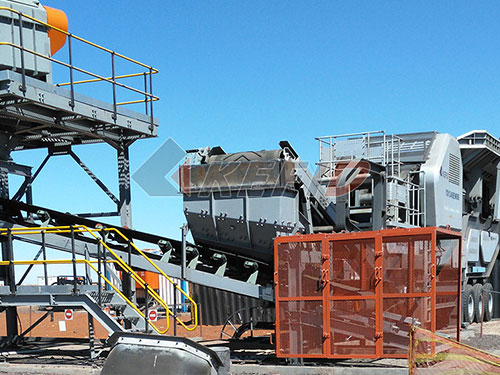
3. Commissioning & Performance Guarantee Testing:
This is most critical phase It involves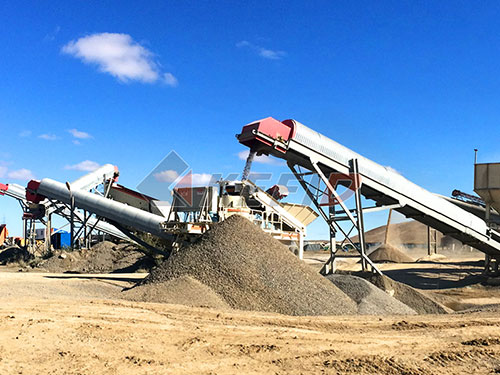
- Cold Commissioning: Running plant empty checking direction alignment conveyor tracking dust system operation
- Hot Commissioning: Introducing actual feed material beginning with soft start gradual ramp-up
- Capacity Test: The plant fed consistently with specified feed material over extended period (e.g., 8-12 hours continuous run) Throughput measured using weigh scales load cells conveyor belt cuts Goal demonstrate sustained output at minimum guaranteed capacity e.g., 275 TPH as part range
- Product Gradation Test: Samples final products taken analyzed sieve analysis Ensure meet customer specifications percentage cubical particles fines generation within limits
- Power Consumption Audit: Monitoring total connected load actual draw verifying within projected ranges impacting operational costs
- Dust Emission & Noise Level Tests: Verifying environmental compliance using particulate monitors sound level meters
- Reliability & Stability Run: Extended duration test often 72-100 hours identify any teething issues weak links mechanical electrical systems
A performance guarantee test culminates in formal sign-off once all parameters—throughput product size shape power consumption—are met Manufacturer provides comprehensive test report documenting results
Key Testing Metrics & Industry Standards
Testing adheres both internal manufacturer standards international norms like ISO ASTM Aggregate producers often reference standards such as:
- ASTM C136/C136M: Sieve Analysis Aggregates
- ISO/TS 17745:2014: Test methods energy efficiency crushing plants
Metrics scrutinized include:
- Tons per Hour (TPH): Sustained average not peak rate
- Yield Percentage Distribution (%): Of each product fraction against total feed
- Cubicity Index / Flakiness Index: Particle shape quality critical asphalt concrete mixes
- Wear Cost per Ton ($/ton): Estimated based wear part consumption during test indicative operating expense
Challenges & Solutions in Achieving Rated Capacity
Manufacturers must anticipate common pitfalls during testing:
- Feed Material Variation: Harder wetter more clayey than design spec can reduce throughput Solution include pre-screening scalping adjustable crusher settings real-time monitoring.
- Crusher Cavity Optimization: Wrong liner profile chamber setting lead poor reduction recirculation loads exceeding capacity Engineers adjust closed side settings CSS dynamically find optimal balance.
- Conveyor Bottlenecks: Undersized transfer chutes causing spillage inadequate conveyor speed Solution involve chute redesign speed adjustments ensure smooth flow rated tonnage.
4 Electrical System Stability: Voltage drops motor overloads Sequencing logic refined protection settings calibrated.
Conclusion
For manufacturer producing selling robust efficient compliant stone crushing plants rigorous testing non-negotiable It ultimate validation engineering design equipment quality process understanding journey from concept reliable production facility demanding one requiring deep technical expertise meticulous attention detail commitment post-sale support Through comprehensive Factory Acceptance Testing followed thorough on-site commissioning Performance Guarantee Tests reputable manufacturers de-risk investment their clients ensuring plant delivers promised productivity longevity Ultimately success measured not just meeting contractual figure like “300 TPH” but achieving sustainable profitable operation lowest total cost ownership over decades service thereby building lasting trust competitive marketplace
