
In the global construction and infrastructure development sector, the demand for high-capacity aggregate production is insatiable. At the heart of this supply chain lies the 250-300 tons per hour (TPH) stone crushing plant, a workhorse installation that represents the sweet spot for medium-to-large scale quarrying, mining, and major infrastructure projects. This article provides a detailed, professional examination of this critical plant capacity range, covering its typical configurations, key components, manufacturer considerations, and application samples.
A stone crushing plant rated at 250-300 TPH is designed to process hard rock (like granite, basalt) or medium-hard rock (limestone, dolomite) into various sizes of aggregate—from coarse base materials to finer chips and sand. This output range is significant; it can produce approximately 6,000 to 7,200 tons of high-quality aggregate in a 24-hour operational period. This scale makes it ideal for:
A professional-grade 250-300 TPH plant is not a single machine but a synchronized system. The classic three-stage crushing circuit is most common for achieving optimal product shape and yield.
1. Primary Crushing Station (Jaw Crusher):
The process begins with a robust primary crusher, typically a large Jaw Crusher (e.g., 1200x1500mm or similar). Its function is to accept the large feed material from the quarry face (up to 750-1000mm in size) and reduce it to a manageable 150-250mm output. For this capacity, the jaw crusher must be powered by a motor in the range of 160-220 kW. A vibrating grizzly feeder precedes it to separate fines and evenly distribute material.
2. Secondary Crushing Stage (Cone Crusher):
The output from the primary crusher is conveyed to the secondary stage. Here, one or two Cone Crushers take center stage. For a single-unit setup in this range, a large multi-cylinder hydraulic cone crusher (like an HPC400 or equivalent) is standard. Alternatively, manufacturers may design a two-unit parallel configuration using mid-size cones (e.g., two HPC300s) for greater flexibility and redundancy. This stage crushes material further to sizes between 40-70mm.
3. Tertiary/Final Crushing Stage (Cone Crusher or Impact Crusher):
To produce precisely shaped cubical aggregates required for high-spec applications like concrete or asphalt top layers, a tertiary stage is essential. Vertical Shaft Impact (VSI) Crushers are often employed here for their superior shaping capabilities and sand manufacturing potential. Alternatively, fine-cone crushers can be used for efficiency in pure rock-on-rock crushing.
4. Screening and Material Handling:
This is the nervous system of the plant. Multiple-deck Vibrating Screens (usually 2-4 units with decks sized 2400x6000mm or larger) sort crushed material into predefined fractions (e.g., 0-5mm sand, 5-10mm chips). Oversize material is recirculated via conveyor belts—forming closed circuits with secondary or tertiary crushers—to ensure maximum efficiency and product control.
Leading manufacturers don’t just sell equipment; they provide solutions tailored to specific client needs.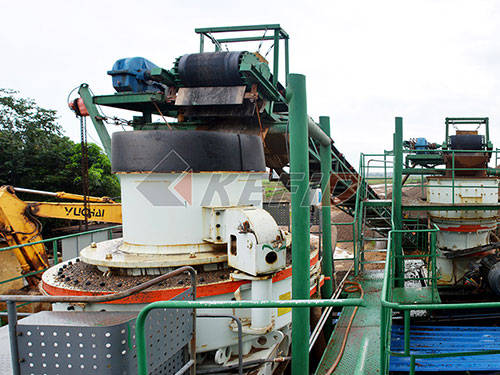
1. Sample Project Profiles from Manufacturer Portfolios:
Sample A – Granite Quarry in Southeast Asia:
Sample B – Limestone Processing for Cement Plant Feed in East Africa:
Sample C – Mobile/Portable Solution for a Multi-Site Road Project in North America:
2. Manufacturers must balance standardization with customization:
When procuring a plant of this magnitude due diligence is critical:
5.Total Cost of Ownership vs Initial Price: Smart buyers evaluate energy efficiency projected wear part consumption availability/quality/cost after-sales service technical support from manufacturer
6.Automation Level: Modern plants offer remote monitoring predictive maintenance alerts which significantly boost uptime operational safety
Sustainability concerns drive innovations such as hybrid diesel-electric power options better dust encapsulation systems water recycling rates exceeding . Advanced automation using IoT sensors allows real-time optimization CSS adjustments maximizing yield quality while minimizing energy use per ton
Furthermore growing demand manufactured sand especially regions banning river sand mining makes VSI crushers integral part many designs within capacity range
The stone crushing plant represents sophisticated capital investment requiring deep collaboration between buyer manufacturer It bridges gap between raw geological resource modern built environment For manufacturers success lies providing reliable efficient customizable solutions backed strong engineering support For project owners understanding intricacies flow sheet component selection operational philosophy key unlocking consistent profitable production line Ultimately well-designed operated becomes cornerstone regional construction economy delivering millions tons essential building blocks progress decade come
Lorem ipsum dolor sit amet, consectetur adipisicing elit. Consectetur sequi saepe ut sunt eveniet perferendis excepturi, iste obcaecati. Qui tempore hic sed quia soluta obcaecati vel.