Comprehensive Guide to the Inspection of 250-300 TPH Stone Crushing Plant Manufacturers
In the global aggregates and mining industry, the selection of a reliable crushing plant manufacturer is a critical capital investment decision. A plant with a capacity of 250 to 300 tons per hour (TPH) represents a significant operational backbone for medium to large-scale quarrying, mining, and major infrastructure projects. The process of inspecting and vetting the manufacturers of such plants—often termed “makers inspection”—is not merely a procedural step but a rigorous due diligence exercise. This comprehensive guide details the multifaceted inspection process, focusing on technical, manufacturing, quality assurance, and commercial benchmarks that define world-class equipment suppliers.
1. Introduction: The Significance of Maker Inspection
A 250-300 TPH stone crushing plant is a complex system integrating primary, secondary, and tertiary crushing stages, along with screening, conveying, and dust suppression systems. Its performance directly impacts long-term profitability through factors like uptime, final product gradation, energy consumption, and maintenance costs. The “maker” or original equipment manufacturer (OEM) is responsible for the design integrity, component quality, and assembly precision of this system.
Inspecting the manufacturer before order placement mitigates risks associated with:
- Technical Incompetence: Poor plant design leading to bottlenecks and failure to meet guaranteed capacity or product specifications.
- Quality Failures: Substandard materials and workmanship causing premature wear, catastrophic failures, and safety hazards.
- Project Delays: Inefficient manufacturing processes and poor supply chain management delaying delivery.
- Lifecycle Cost Overruns: Lack of engineering depth leading to high operational and maintenance expenses.
Therefore, a structured inspection protocol is essential to separate reputable manufacturers from less capable ones.
2. Pre-Inspection Preparation: Defining the Evaluation Framework
Before visiting any facility, the client or their appointed third-party inspection agency must establish clear criteria.
- Technical Documentation Review: Scrutinize the offered plant layout (GA drawings), flow diagram (P&ID), foundation drawings, and electrical schematics. Check for completeness, adherence to requested specifications (e.g., feed size, output gradation), and compliance with international standards (ISO, CE marking for EU, etc.).
- Commercial & Reference Checks: Analyze the commercial terms (payment schedules, warranty clauses). Demand a list of recent references for plants of similar capacity and application. Contact these references to verify performance claims regarding throughput reliability after commissioning.
- Inspection Checklist Development: Create a detailed checklist covering all subsequent sections—factory capability audit; quality management systems; in-process & final inspection points; testing protocols; after-sales structure.
3. Phase 1: Factory Capability & Manufacturing Infrastructure Audit
The physical inspection begins with an assessment of the manufacturer’s production facilities.
- Fabrication Shops: Evaluate the scale and technology available. Look for modern CNC (Computer Numerical Control) cutting machines (plasma/oxy-fuel/laser), high-tonnage press brakes for forming heavy plate (crucial for crusher frames and chutes), robotic welding stations for consistency in hardfacing applications on wear parts like liners.
- Machining & Assembly Bays: Inspect large vertical boring mills or lathes capable of machining crusher main frames eccentric sleeves bearings housings etc Precision machining is vital for crusher alignment bearing life Proper assembly areas should be clean organized equipped with overhead cranes of adequate capacity
- Material Handling & Logistics: Assess internal logistics raw material storage steel plate profiles castings) finished component storage Adequate space organization indicates efficient workflow
- Subcontractor Control: Determine which major components are manufactured in-house e g jaw cones impact crushers vs purchased from specialized foundries or other OEMs For purchased items like crushers motors gearboxes screens conveyors belts verify supplier qualification processes
4. Phase 2: Quality Management System QMS & Welding Procedures
A robust QMS is non-negotiable
- Certification Verification: Confirm valid ISO 9001 certification specifically for design manufacturing crushing/screening equipment Request audit reports
- Welding Integrity – The Core Competency: Crushing plants endure immense cyclical stress Welding quality dictates structural integrity
- Review Welding Procedure Specifications WPS Procedure Qualification Records PQR welder qualifications per AWS ASME EN ISO standards
- Inspect weld preparation joint fit-up use preheating post-weld heat treatment PWHT where required e g high carbon steel repair areas)
- Examine weld appearance consistency penetration lack defects undercut porosity spatter)
- Verify Non-Destructive Testing NDT capabilities Magnetic Particle Testing MPI Liquid Penetrant Testing LPT Ultrasonic Testing UT Radiographic Testing RT Critical welds on crusher bodies rotor shafts screen bodies require mandatory NDT per defined ITP Inspection Test Plan)
- Material Traceability: System must track material certificates mill test reports MTR chemical composition mechanical properties from raw material through final assembly
5. Phase 3: In-Process & Final Inspection Critical Checkpoints
This involves witnessing specific stages during construction
- Dimensional Accuracy Checks: Verify critical dimensions per approved drawings Crusher mounting points shaft alignments screen box angles conveyor pulley centers Structural steel squareness tolerances)
- Component Quality Inspection:
- Crushers: Check liner cavity profiles mantle/concave jaw dies) for correct material grade thickness Measure bearing fits clearances Lubrication system cleanliness functionality
- Screens: Inspect screen deck construction verify tensioning system robustness check vibration mechanism assembly motor mounts)
- Conveyors: Check idler roller alignment belt tracking structure inspect pulley lagging scrapers)
- Electrical Panels: Witness “factory acceptance test FAT” control panels Verify component brands Schneider Siemens ABB wiring standards labeling IP protection ratings Simulate sequence operations safety interlocks)
- Surface Preparation Painting: Inspect surface preparation blasting Sa grade) primer intermediate finish coat thickness DFT measurement per specification Proper painting prevents corrosion extending equipment life especially in harsh environments
6. Phase 4: Testing Performance Guarantee Validation
While full load testing at TPH may not be possible at factory certain tests are imperative
Mechanical Run Test MRT: Assemble key subsystems like crusher with motor screen conveyor Run under no-load condition Measure record:
Vibration levels bearings housings using vibration analyzers Acceptable limits per ISO standards)
Noise levels dB(A))
Temperature rise bearings gearboxes over specified run period hours)
Oil system pressure flow leakage checks
Electrical FAT: As mentioned confirm all controls PLC programming HMI interfaces motor starters protection devices function correctly simulate fault conditions)
The manufacturer should provide detailed calculations supporting their capacity guarantee based on ore characteristics work index This theoretical validation combined with MRT data reference plant performance forms basis acceptance
Phase After-Sales Support Engineering Depth Assessment
A great machine requires great support Evaluate:
Engineering Department: Discuss with design engineers review modification history similar projects assess use advanced tools Finite Element Analysis FEA dynamic simulation software This indicates ability troubleshoot optimize designs
Spare Parts Logistics: Visit parts warehouse assess inventory management system availability critical wear parts liners hammers bearings Guarantee lead times emergency shipments
Service Training: Review service manual completeness clarity training programs offered customer’s technicians Documentation should include detailed assembly disassembly procedures torque settings lubrication schedules schematic diagrams
Conclusion The Strategic Investment in Due Diligence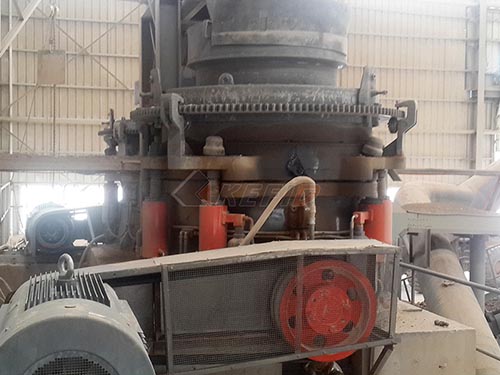
Inspecting manufacturers TPH stone crushing plant intensive yet invaluable process transcends simple price comparison It forensic examination technical capability cultural commitment quality long-term partnership By systematically auditing manufacturing infrastructure welding procedures quality control testing protocols after-sales framework buyers make informed strategic investment The goal identify maker whose engineering excellence production discipline aligns with operational needs ensuring plant delivers not just promised tons hour but does so reliably efficiently sustainably over its entire lifecycle Ultimately thorough maker inspection most effective risk management tool securing return investment building foundation successful profitable aggregate production operation
