
The procurement and installation of a 250-300 Tons Per Hour (TPH) stone crushing plant represent a major capital investment for any importer, whether a mining company, large construction firm, or aggregate producer. The success of this investment hinges not just on the purchase price but overwhelmingly on the plant’s long-term performance, reliability, and compliance with specifications. An importer inspection, conducted professionally and systematically before shipment, is the single most critical risk mitigation step in this process. This detailed guide outlines the comprehensive inspection protocol for such a high-capacity plant.
A successful inspection begins long before the inspector arrives at the manufacturer’s facility.
The physical inspection should be methodical, covering every subsystem from raw materials to final assembly.
Stage 1: Material & Component Verification (“What it’s Made Of”)
Stage 2: Fabrication & Manufacturing Quality (“How it’s Built”)
Stage 3: Assembly & Pre-Delivery Testing (“Does it Work Together”)
This is the core of the inspection for a 250-300 TPH plant.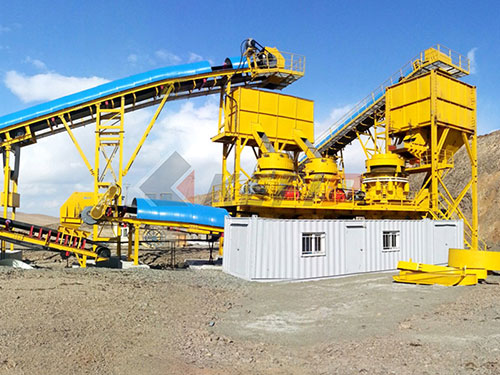
*Stage 4:The No-Load Run Test(The First Movement)
This is a mandatory witness point
All guards must be securely in place
Startup sequence monitoredfor smooth acceleration
Monitor vibration levels on all major rotating equipment(crushers screens motors)using a portable vibrometer.Readings should be well within ISO10816 limits for this class of machinery
Check for unusual noises(bearing squeals metal-on-metal contact)
Operate all hydraulic functions(clearing tramp iron in cone crushers adjusting CSS)
*Test lubrication systems ensuring adequate flowto all bearingswith no leaks
Given its scale specific aspects demand extra attention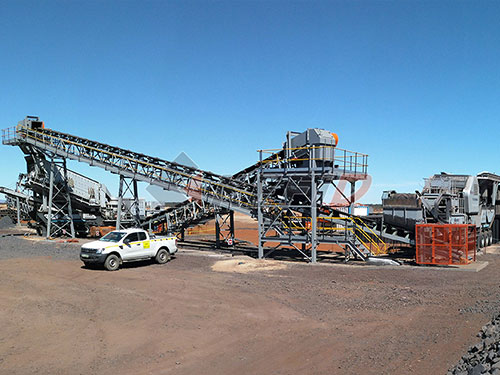
1.System Integration Flow Design:Beyond individual machines inspect transfer points between equipment.Chute design must ensure centered feed onto belts minimal drop heights to reduce wearand dust generation Skirt rubbersmust be correctly installed
2.Dust Suppression Compliance:Verifythe dust collector system(typicallya baghouseforthis capacityhas correct air-to-cloth ratio fan capacityand that ductingis properly connectedto all emission points(jaw inlet/outlet screen feeds transfer points)
3.Safety Standards:This is non-negotiable.Checkfor mechanically locked guardsoverall rotating parts pull-cord emergency stops along conveyors adequate platforms handrailsand ladders aroundall equipmentfor maintenance Lockout/Tagout(LO/TOpoints must be clearly identified
4.Maintenance Accessibility:Can you easily removea cone mantle?Is there space to extracta rotor shaft?Are grease nipples accessible?Poor access dramatically increases future downtimeand costs
The inspection concludes with formal documentation
Inspection Report:A detailed report with:
Executive summaryof findings
Checklistswith pass/fail statusforeach item
Photographic evidenceclearly labeled(showing both satisfactory itemsand any defects)
Vibration data readings paint thickness measurements hardness test results
Listof any non-conformities(NCRs)categorized by criticality(e.g.Critical Major Minor)
Non-Conformance Report(NCR):For every defect an NCR must be issued describingthe deviation referencingthe contract clauseor drawing requiring corrective action fromthe manufacturerand proposinga solution(rework replacement repair)
Punch List:A final listof outstanding minor itemsto be completed before shipment(e.g.missing nameplates final paint touch-ups)
The importer inspection fora 250-300 TPH stone crushing plantis not merelya casual factory visitIt isa rigorous forensic engineering audit conducted by qualified inspectors(mechanical electrical structural engineers)The goalis to shift quality assurance upstream catching defects while equipmentis still atthe manufacturerwhere correctionis exponentially cheaperand faster than after shipmenttoa remote site
A well-executed inspection ensures thatthe imported plantis not justa collectionof machinesbuta integrated reliable production system capableof meetingits designed output while ensuring operational safety longevityand ultimately deliveringthe expected return on investmentFor an assetof this magnitude spending 1-2%ofthe project valueon an impeccable third-party inspectionis not an expenseit is essential insurance
Lorem ipsum dolor sit amet, consectetur adipisicing elit. Consectetur sequi saepe ut sunt eveniet perferendis excepturi, iste obcaecati. Qui tempore hic sed quia soluta obcaecati vel.