
For importers in the construction, mining, and infrastructure sectors, sourcing a 250-300 tons per hour (TPH) stone crushing plant represents a significant capital investment aimed at establishing or upgrading high-capacity aggregate production. This mid-to-large-scale setup is the workhorse for major road projects, large concrete batching plants, and substantial quarry operations. Understanding the technical nuances, market dynamics, and total cost of ownership is crucial to securing not just the best price, but the optimal value and return on investment.
A crushing plant of this capacity is not a single machine but a sophisticated system engineered for continuous, efficient operation. The “best price” must be evaluated against the completeness and quality of this system.
1. Primary Crushing Station: Typically features a robust jaw crusher (e.g., 1200x1500mm) or a gyratory crusher capable of handling large feed size (up to 1000mm). For abrasive rock, a primary impact crusher might be considered. A heavy-duty vibrating feeder (e.g., ZSW-600×130) and an apron feeder are essential for consistent material flow.
2. Secondary and Tertiary Crushing Stages: This is where configuration greatly impacts both price and final product quality. Common flows include:
3. Screening Station: Multiple-deck vibrating screens (usually 2-3 units) are critical for classifying material into required fractions (e.g., 0-5mm, 5-15mm, 15-25mm, +25mm). Screen efficiency directly affects plant productivity.
4. Conveying System: A network of belt conveyors (widths from 800mm to 1200mm) with appropriate inclines links all stages. Conveyor quality—belt grade, idler rollers, drive motors—is a common area for cost-cutting that leads to operational downtime.
5. Ancillary Systems:
The quoted price from suppliers in China, India, Europe, or North America can vary by hundreds of thousands of dollars based on these factors:
1. Origin and Brand Tier:
2. Degree of Customization vs. Standardization: A plant customized for specific feed material (high silica granite vs. soft limestone) and product gradations will cost more than a standard modular design but will yield better long-term performance.
3.Quality of Core Components: The choice of bearings (SKF/TIMKEN vs. generic), motors (SIEMENS/WEG vs.unbranded), steel plate grade,and crusher liner metallurgy creates significant price differentials.A plant built with globally recognized components simplifies future maintenanceand parts sourcing.
**4.Shipping,FOB vs.CIF Terms:The physical sizeand weightof these plants mean shippingcosts are substantial.Free On Board(FOB)port pricesare easier to compare,but CostInsuranceand Freight(CIF)toyour nearest port providesa clearerlandedcost picture.Don’t overlookimport duties,taxes,and localhandlingcharges.
The”bestprice”is meaninglessifoperatingcosts spirala true evaluationconsidersTCO: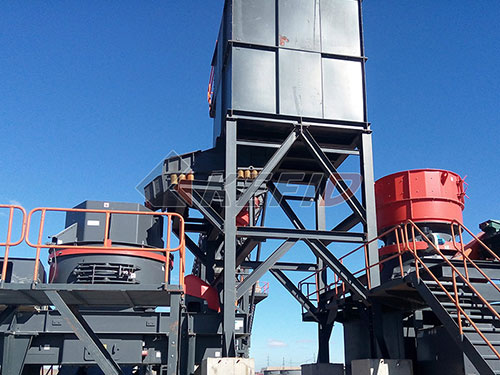
1.Wear Parts Consumption:Crusher liners,screen meshes,and impeller barsare recurring costs.Higher-qualityplants oftenhave lowercostper toncrusheddueto betterwear lifeanddesign.Consumablecostshouldbe quotedasUSDper tonof output.
2.Energy Efficiency:Differencesin motorand drive system efficiencycan leadto significantpowercostvariationsovertheplant’s20+yearlifespan
3.Downtime & Reliability:A cheaperplantwithfrequent mechanicalfailurescripplesproject timelines.Reliabilitydirectlyimpactsthe netpresentvalueoftheinvestment
4.After-Sales Service & Parts Availability:The supplier’s abilitytoprovidetimely technicalsupport,wrenchingservices,and genuine sparepartsis critical.Localagentpresenceisahuge advantage
1.Define Requirements Rigorously:Provide potentialsupplierswithdetailedfeed materialanalysis(abrasionindex,silica contentmoisture)densitydesiredproduct mixand requiredcapacity(250TPH sustainedvs300TPH peak)
2.Request DetailedQuotationBreakdowns:Demanda line-itemquotespecifyingbrandsand modelsof allmajorcomponents(motorsbearingscrusherscreens)Thisenablesapples-to-applescomparison
3.Visit Reference Sites:Askfor contactsof existingclientsoperatingsimilarplantsespeciallythosewithcomparablematerialsArrange sitevisitsto observeperformanceand discussoperatingcosts
4.ConsiderPhased Procurement:Sourcingthe corecrushingandscreeningunitsfroma premiummanufacturerwhileprocuringconveyorssteelstructureslocallycansometimesoptimizecostand quality
5.NegotiateComprehensiveSupplyContract:Clearlydefineperformanceguarantees(throughputproductgradationpowconsumptionnoiselevels)warrantyperiodsparepartskitobligationsand penaltiesfor non-compliance
6.Planfor Infrastructure:The plantcostis onlypartofthetotal projectBudgetforsite preparationfoundationsdust management systemsand skilledoperators/maintenancecrews
Fora250-300TPHstone crushingplanttheimporter’sgoal shouldbeto maximizetonnageproducedatthelowestpossible total costper tonovertheplant’slifespan.Whileinitialcapitaloutlayis importantprioritizingrobustengineeringreliablecomponentsanda supplierwithprovensupportcapabilitytypicallydeliverssuperiorlong-termreturns.The”bestprice”istheonethatbalancesreasonableinitialinvestmentwithpredictablelowoperatingexpensesminimaldowntimeandtheabilitytomeetproductiontargetsconsistentlyfor yearsto come.ConductingduediligencefocusingonTCOandeliminating suppliersunwillingtoprovidetransparenttechnicaland commercialdetailswill guidetheimporterto asoundinvestmentthatfuelsinfrastructuregrowthratherthanbecomingasourceof operationalheadaches
Lorem ipsum dolor sit amet, consectetur adipisicing elit. Consectetur sequi saepe ut sunt eveniet perferendis excepturi, iste obcaecati. Qui tempore hic sed quia soluta obcaecati vel.