
In the world of aggregate production, mineral processing, and large-scale construction projects, the 250-300 tons per hour (TPH) stone crushing plant represents a critical tier of operational capacity. It sits at the intersection of medium and high-volume output, making it a preferred choice for regional quarry operators, major infrastructure contractors, and suppliers feeding materials to highways, railways, and large commercial developments. For fabricators—the engineering companies that design, manufacture, and assemble these plants—this specific range is a significant product line that demands deep technical expertise. This article provides a detailed exploration of the 250-300 TPH crushing plant from a fabricator’s perspective, covering design philosophy, key components, technological integrations, fabrication considerations, and the vital role of client samples in the commissioning process.
A plant rated for 250-300 TPH is designed to process hard rock (granite, basalt) or abrasive materials (river gravel, limestone) into specified aggregate sizes—typically from coarse base materials (e.g., 1.5″) down to manufactured sand (0-5mm). This output level is substantial enough to justify a substantial capital investment in stationary or semi-portable track-mounted plants. It is not a simple scaling-up of smaller units; it requires a holistic system approach where every component—from feeding to final screening—must be precisely matched to avoid bottlenecks and ensure energy efficiency.
Key Market Applications:
A fabricator does not merely weld steel; they engineer a process flow. The typical layout for a 250-300 TPH plant involves multiple stages of size reduction.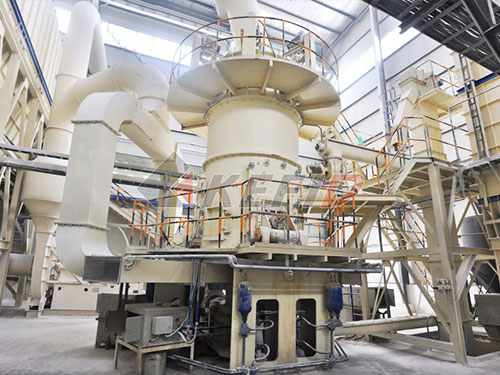
A. Primary Crushing Station:
B. Secondary and Tertiary Crushing Stages:
C. Screening and Material Handling:
D. Power & Control Systems:
For a fabricator, “samples” are not just finished product aggregates; they represent critical data points throughout the project lifecycle.
A. Client Material Samples during Design Phase:
Before any steel is cut, reputable fabricators insist on testing representative samples of the client’s feed material.
B. In-House Fabrication Samples (Quality Assurance):
During manufacturing:
C. Commissioning & Performance Sample Runs (The Ultimate Validation):
This is the most crucial phase where theoretical design meets reality.
1.Durability vs.Mobility Paradox: For portable track plants in this range,fabricators must use high-strength low-alloy(HSLA)steel to reduce weight without sacrificing structural rigidity.Static plants allow more robust,but costlier,fabrication
2.Dust Suppression Integration:Fabricators must seamlessly integrate spray bars at transfer points,dust encapsulation,and connection pointsfor baghouse filters directly into their structural designs
3.Maintenance Accessibility:Designing walkways,lifting pointsfor liner changes,and modular components that can be replaced quicklyis as important as designingfor throughput.It reduces client downtime
4.Global Logistics:Shippinga fullyor semi-skidded250-300TPHplant requires meticulous planning.Fabricators often design modules constrainedby shipping container dimensionsand local road transport limits
Modern250-300TPHplantsare increasingly”smart.”Fabricators now routinely install:
IoT Sensors:On bearings,motors,and hydraulics providing real-time data
Automated Setting Regulation:Cone crushers linkedto power drawand pressure sensors auto-adjustfor optimal throughput
Advanced Wear Monitoring:Laser scanningof liner profiles predicts replacement schedules
This shifts fabrication from purely mechanical assemblyto amechatronic integration discipline requiring embedded conduit pathsand sensor mounting points designed into frames from inception
The fabricationofa reliable250-300TPHstone crushingplantis amajor engineering undertakingthat blends mechanical design,structural engineering,materials science,and process knowledge.It moves far beyond simple equipment sourcing into creating acohesive,optimized system.The roleof materialand product samplescannot be overstated;theyarethe empirical foundationupon which both designand successful commissioning rest.For clients,choosinga fabricatorwitha proven portfolioin this specific capacity range—one who emphasizesdata-driven designtestingand provides comprehensive performance sample reports—is crucialto ensuringtheir capital investment delivers decadesof profitable,spec-compliant aggregate production.The difference betweena mere collectionof machineryanda high-performance crushing circuit lies inthe fabricator’s expertisein synthesizingall these elementsinto an efficient whole
Lorem ipsum dolor sit amet, consectetur adipisicing elit. Consectetur sequi saepe ut sunt eveniet perferendis excepturi, iste obcaecati. Qui tempore hic sed quia soluta obcaecati vel.