
In the global construction and infrastructure development sector, the demand for high-capacity aggregate production is insatiable. At the heart of this supply chain lies the 250-300 Tons Per Hour (TPH) stone crushing plant, a workhorse facility designed for medium to large-scale quarrying and mining operations. For exporters of heavy industrial machinery, this product range represents a significant market segment, balancing substantial output with manageable complexity. This detailed article explores the technical specifications, market positioning, export logistics, and the critical business aspect of minimum order quantities (MOQs) associated with these plants.
A 250-300 TPH plant is not a single machine but a sophisticated, integrated processing system. Its design is dictated by the raw material (e.g., granite, basalt, limestone) and the final product specifications (e.g., road base, concrete aggregate, railway ballast).
1. Core Components & Process Flow:
2. Configuration Types:
Exporters of 250-300 TPH plants cater to a specific client profile:
This capacity range is strategic—it is below the ultra-complex, custom-engineered >500 TPH mega-plants but significantly above small-scale (<150 TPH) units. It offers an optimal balance of high output capital investment and operational efficiency.
For exporters—typically manufacturers or large trading houses based in countries like China, India, Germany, Italy, Turkey, or the USA—the MOQ is a fundamental commercial term.
1. Why MOQ Exists:
2 Typical MOQ Structures for 250-300 TPH Plants: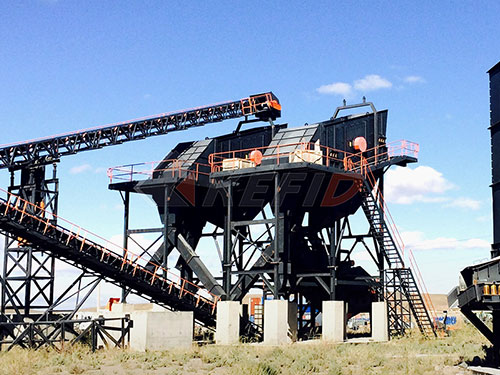
Given the high value unit cost often ranging from $1 million to $5 million USD depending on configuration automation level and brand an exporter s MOQ policy is rarely “one plant”
Common MOQ Models
| Model | Description | Rationale |
|---|---|---|
| One Complete Plant | The most straightforward MOQ This can be considered effectively an MOQ of 1 unit given the plant s value |
The sale of one complete system generates sufficient revenue to cover all associated costs |
| Key Component Sets | Exporter may stipulate MOQ on core component packages e g primary jaw + secondary cone + tertiary VSI as a set even if client sources other parts locally | Ensures critical technology sale protects intellectual property maintains quality control over core process |
| Monetary Value Threshold | More flexible approach MOQ defined as minimum contract value e g $1 5 million Client can mix plant components with spare parts other machinery | Allows exporters to bundle products maintain revenue floor per transaction |
| Container Load | For modular skid-mounted designs MOQ may be one 40ft High Cube container load which may not constitute full plant but major subsystem | Optimizes shipping logistics ensures efficient use of cargo space |
3 Factors Influencing Negotiability of MOQ
While standard policy exists MOQs can sometimes be negotiable under certain conditions
Long-Term Partnership Agreement Client commits to phased purchases over multiple years
High-Margin Add-ons Client agrees to purchase premium automation packages extensive spare parts stock or extended warranty
Market Entry Strategy Exporter seeking entry into new geographic market may relax terms
Off-the-Shelf Inventory If standard design plant components are in stock exporter may sell single unit more readily
1 Customization vs Standardization: Each quarry has unique geology Clients demand customization feed size final product gradation However excessive customization conflicts with production batch efficiency Exporters must strike balance offering modular designs with configurable options
2 Compliance & Certification: Meeting international standards CE Marking GOST ASTM ISO etc is non-negotiable for market access Certification adds cost but is essential for credibility
3 After-Sales Support: The sale is just beginning Exporters must plan for installation supervision commissioning training spare parts supply chain and remote technical support This long-term commitment factors into pricing and MOQ considerations
4 Incoterms & Logistics: Defining clear delivery terms FOB CFR CIF DDP etc is critical Responsibility for export documentation customs clearance sea freight insurance inland transportation varies accordingly Shipping such heavy oversized cargo requires meticulous planning
5 Payment Terms & Financing: Given high value transactions rarely settled by simple Telegraphic Transfer TT Common structures include significant advance payment e g 30% against proforma invoice progress payments against production milestones balance before shipment Letters of Credit L/C are common but require precise documentation Some exporters collaborate with financial institutions to offer buyer credit facilitating purchase
The export market for 250-300 TPH stone crushing plants is highly specialized driven by global infrastructure trends For buyers understanding that they are investing in a complete production system rather than just machinery is key For exporters establishing clear commercial terms including well reasoned Minimum Order Quantity policies is fundamental to sustainable business These plants represent not just an equipment sale but a partnership in building the literal foundations of economic development As such successful transactions hinge on transparent communication technical expertise robust contracts and mutual commitment beyond the initial order paving way future collaboration just as crushed stone paves roads progress
Lorem ipsum dolor sit amet, consectetur adipisicing elit. Consectetur sequi saepe ut sunt eveniet perferendis excepturi, iste obcaecati. Qui tempore hic sed quia soluta obcaecati vel.