The 250-300 TPH Stone Crushing Plant: A Comprehensive Guide to Specifications, Market Dynamics, and Pricing for Distributors
In the global construction and infrastructure development sector, the demand for high-capacity aggregate production is insatiable. At the heart of this supply chain lies the 250-300 tons per hour (TPH) stone crushing plant, a workhorse facility designed for medium to large-scale quarrying, mining, and major infrastructure projects. For distributors and investors in heavy machinery, understanding the technical intricacies, component configurations, market drivers, and pricing structures of these plants is crucial for making informed decisions and providing value to end clients. This article provides a detailed professional analysis of the 250-300 TPH stone crushing plant from a distributor’s perspective.
1. Technical Specifications and Plant Configurations
A 250-300 TPH plant is not a single machine but a sophisticated system of interconnected components. Its design is dictated by the feed material (hard granite, basalt, river gravel, or limestone), required final product sizes (e.g., 0-5mm sand, 5-10mm, 10-20mm aggregates), and site-specific conditions.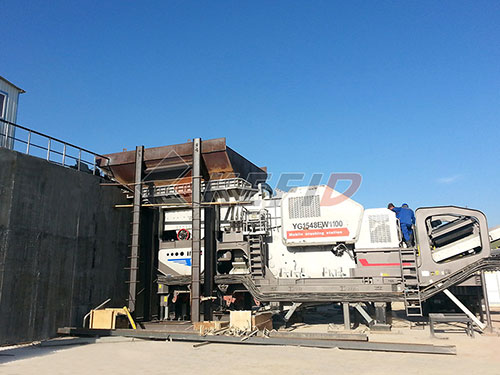
Core Components:
- Primary Crusher: Typically a Jaw Crusher (e.g., 1200×1500 mm feed opening) or a Gyratory Crusher for extremely hard abrasive rock. It handles the initial size reduction from large blasted rock (up to 1000mm) down to ~200-250mm.
- Secondary Crushing Stage: Usually employs one or two Cone Crushers (often of the hydraulic adjustment type for precise control) or powerful Impact Crushers for softer stone. This stage further reduces material to ~40-60mm.
- Tertiary/Fine Crushing Stage: For producing high-quality cubical aggregates and sand, this stage may use additional cone crushers configured for finer settings or Vertical Shaft Impactors (VSI). VSI crushers are essential for manufactured sand (M-Sand) production, enhancing particle shape.
- Screening System: Multi-deck vibrating screens (typically 2-3 units) are critical for classifying material into specified sizes. Efficiency here directly impacts final product quality and plant throughput.
- Feeders & Conveyors: Robust apron feeders handle primary feed, while a network of belt conveyors (widths of 800-1200mm) connects all stages. Their design must account for capacity, incline, and transfer points.
- Hopper & Bypass Systems: Large capacity hoppers ensure steady feed. Sophisticated plants include bypass chutes and adjustable gates to manage material flow and optimize circuit efficiency.
- Power Unit: A centralized electric motor control panel or individual diesel generators for mobile setups. Total installed power can range from 400 kW to over 600 kW.
- Dust Suppression & Control: A mandatory environmental component comprising water spray systems at transfer points and sometimes baghouse filters.
Configuration Types:
- Stationary Plant: Permanently installed in a quarry with concrete foundations. Offers highest stability and long-term efficiency but requires significant initial civil work.
- Semi-Mobile/Skid-Mounted: Major modules are mounted on sturdy steel skids. Offers some relocation flexibility with reduced setup time compared to stationary plants.
- Tracked Mobile Plant: The entire crushing circuit is mounted on heavy-duty crawler tracks. While typically seen in capacities below 250 TPH, modular designs can approach this range. Offers unparalleled mobility between sites.
2. Key Factors Influencing Distributor Prices
The price range for a complete 250-300 TPH plant is substantial—typically between $750,000 USD on the very low end for basic configurations from certain regions to over $3 million USD for premium-branded turnkey solutions with advanced automation.
A. Core Cost Drivers:
-
Brand & Origin:
- European/North American Brands (Sandvik Metso Outotec/FLSmidth): Command premium prices ($2M – $4M+). Justified by advanced metallurgy (longer wear life), sophisticated automation systems (like ASRi), superior energy efficiency, extensive R&D backup,and strong residual value.
- Established Asian Brands (Korean/Japanese): Offer a middle-ground in price ($1.5M – $2.5M), blending good quality with competitive pricing.
- Chinese/Turkish Manufacturers: Provide highly competitive entry prices ($750k – $1.8M). Quality has improved significantly,but variability exists between manufacturers.Distributors must carefully vet suppliers on component sourcing( e.g., bearing brands,motor quality)and manufacturing standards.
-
Scope of Supply:
- Bare Equipment: Lowest cost; includes only crushers,screens,and basic conveyors.
- Standard Package: Adds feeders,electric motors,cabin control panels,and basic dust suppression.This is common distributor stock.
- Turnkey Project: Includes full structural steel supports,wiring,cabling,dust collection systems,sound enclosures,fencing,and commissioning.This carries the highest margin but also highest responsibility.
-
Technology & Automation Level:
- Basic PLC control vs.a fully integrated SCADA system with remote monitoring,predictive maintenance alerts,and automatic setting adjustments adds significant cost but improves uptime and product consistency—a key selling point.
-
Material of Construction:
- The grade of steel used in frames,the quality of manganese in wear parts,and the brand of bearings(SKF,TIMKEN vs.generic) directly impact durability,pricing,and maintenance costs downstream.
B.The Distributor’s Value Chain & Pricing Model:
Distributors do not simply resell equipment.They add value through:
- Localized spare parts inventory
- Certified technical service teams
- Application engineering support
- Warranty provision
- Financing solutions
Their final price includes:
Landing Cost + Import Duties/Taxes + Warehousing/Inventory Holding Cost + Technical Support Overhead + Profit Margin.
A typical distributor margin on such capital goods ranges from15%to30%,depending on services bundled.Competitive financing packages can be more decisive than minor price differences.
3.Market Dynamics & End-User Considerations
The primary markets are large-scale infrastructure projects(highways,dams),commercial concrete/asphalt producers needing consistent high-volume supply,and mining operations requiring aggregate.The shift towards sustainable construction boosts demandfor high-quality manufactured sand(VSI-equipped plants).
Distributors must guide clients through critical considerations:
Total Cost of Ownership(TCO): Emphasize that initial purchase price is only~20%-30%of lifetime cost.Fuel/power consumption,easeof maintenance,wear part life cycle cost,and resale value define true ROI.A premium plant may have doublethe upfront cost but offer30%lower operating costs per ton over10 years.
Flexibility vs.Specialization A plant optimized solelyfor hard granite may struggle with limestone.A distributor can offer modular designs allowing future reconfiguration as market demands shift(e.g.,addinga sand washing unit).
Regulatory Compliance Increasingly strict environmental(noise,dust)and safety regulations mandate specific features.Distributors offering compliant solutions avoid costly client shutdowns.
4.Global Sourcing Trends& Challenges
Many distributors operate hybrid models:sourcing robust primary crushers from European brands while procuring secondary/tertiary stages,screens,and conveyors from reliable Asian partners.This balances performance,cost-effectiveness,and serviceability.Supply chain volatility post-pandemic has highlighted risks;distributors now prioritize suppliers with proven logistics resilience.Local assembly kits(CKD)are gaining tractionto reduce shipping costsand tariffs while creating local jobs—a strong marketing point.The riseof digital marketplaces also pressures traditional distribution models,pushing distributors towards deeper service integration rather than mere equipment sales.In conclusion,the marketfor250–300TPHstonecrushingplantsis complexand drivenby project scale technological advancementandsustainability requirements.For distributors success lies not justin competitivepricingbutin becomingtrusted advisors capableof designingoptimalflow sheets navigatingfinancing optionsand guaranteeing operational uptime throughsuperior after-sales support Understandingthe nuanced balancebetween capital expenditureand totalcostof ownershipis what ultimately secures long-term partnerships inthehigh-stakes worldof aggregateproduction
