The 250-300 TPH Stone Crushing Plant: A Strategic Investment and the Reality of “Dealer Discounts”
In the world of aggregate production, mining, and large-scale construction projects, the 250-300 tons per hour (TPH) stone crushing plant represents a critical threshold. It signifies a move from medium-capacity operations into the realm of high-volume, capital-intensive production suitable for major infrastructure works, large quarrying operations, and supplying materials to rapidly growing regions. The phrase “dealers discount” attached to such a significant piece of industrial infrastructure immediately raises eyebrows among seasoned professionals. This article will delve into the technical composition, market applications, economic considerations, and the nuanced reality behind purchasing such a plant, particularly scrutinizing the concept of discounts in this high-stakes sector.
Understanding the 250-300 TPH Stone Crushing Plant
A 250-300 TPH plant is not a single machine but a sophisticated, interconnected system designed for continuous, high-yield operation. Its core configuration typically follows a three-stage crushing process (primary, secondary, tertiary) to achieve desired product cubicity and gradation.
- Primary Crushing Station: This is dominated by a robust jaw crusher or gyratory crusher capable of handling large feed sizes (up to 1000mm). For 300 TPH output, a jaw crusher like a 1200x1500mm model or equivalent gyratory is standard. It reduces raw quarry stone to manageable sizes (150-250mm).
- Secondary Crushing Stage: Cone crushers are the workhorses here. One or two high-performance hydraulic cone crushers (e.g., 300-400 HP units) take the primary crushed material and further reduce it to intermediate sizes (40-80mm). This stage is crucial for shaping the aggregate.
- Tertiary/Final Crushing Stage: For producing high-quality chips and sand (manufactured sand), vertical shaft impactors (VSIs) or fine cone crushers are employed. This stage defines the final product’s shape and can be tuned for different market specifications.
- Auxiliary Systems: The plant’s efficiency hinges on its supporting components:
- Vibrating Feeders & Screens: Heavy-duty grizzly feeders regulate material flow to the primary crusher. Multi-deck vibrating screens (both scalping and sizing screens) are essential for classifying material and ensuring closed-circuit operation for recirculating oversize material.
- Conveyor System: A network of wide, rugged belt conveyors with appropriate inclines links all stages. Their design must account for capacity, transfer points, and dust suppression.
- Dust Suppression & Control: At this capacity, dry fog systems or baghouse filters are mandatory for environmental compliance and worker safety.
- Electrical & Control System: A centralized PLC-based control panel with motor control centers (MCCs), variable frequency drives (VFDs) for critical motors, and potentially remote monitoring capabilities is standard for modern plants.
Market Applications and Economic Justification
The capital outlay for a complete 250-300 TPH plant ranges from several million dollars upwards, depending on technology level and brand. Its deployment is justified by specific market demands: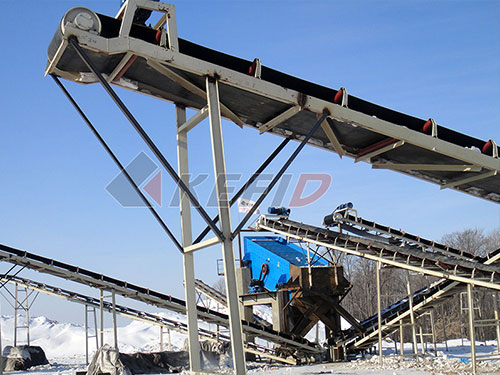
- Major Infrastructure Projects: Supplying aggregates for highways, railways, dams, and port developments requires consistent, massive volumes over multi-year periods.
- Large Commercial Quarry Operations: Serving metropolitan areas with population growth necessitates high-volume production to supply ready-mix concrete plants, asphalt plants, and pre-cast concrete manufacturers.
- Mining Pre-processing: In mining operations, such plants are used to crush ore or overburden before further mineral processing.
The return on investment (ROI) calculation depends on factors like reserve quality, logistics costs, local aggregate pricing, operational efficiency (downtime), and labor costs. A well-operated 300 TPH plant running efficiently can generate substantial revenue streams.
The Nuanced Reality of “Dealer Discounts”
The notion of “dealers discount” in this context requires careful professional dissection. Unlike consumer goods discounts driven by seasonal sales or clearance events discounts in heavy industrial equipment are complex negotiations rooted in total cost of ownership.
-
Price vs. Value Proposition:
- A lower upfront price from a lesser-known manufacturer or dealer may come at the cost of component quality (bearings motors steel grades), engineering support reliable after-sales service parts availability
- Reputable global OEMs offer standardized pricing structures with less room for arbitrary discounting Their value lies in proven performance reliability resale value comprehensive service networks
-
Negotiation Levers Beyond Sticker Price:
Professional buyers negotiate on the total package not just an invoice figure:
- Payment Terms: Extended credit periods milestone-based payments favorable financing arrangements through OEM-affiliated institutions
- Warranty Extensions: Including wear parts like mantles concaves beyond standard mechanical warranty
- Commissioning Support & Training: Including extended on-site support from factory engineers comprehensive operator maintenance training programs
- Spare Parts Packages: Negotiating an initial spare parts kit as part of deal can represent significant savings
- Shipping & Logistics: Who bears cost responsibilities insurance during transit
-
Contexts Where Genuine Price Advantages Occur:
- Demonstration or Low-Hour Used Plants: Dealers may offer premium used plants that have been reconditioned These can provide excellent value at lower capital cost
- Package Deals Purchasing multiple units e.g., fleet buyers may receive volume-based incentives
- Market Entry Strategies A manufacturer seeking to penetrate new geographic region might offer introductory pricing through local dealers but often tied performance commitments
- End-of-Financial-Year/Quarter Targets Dealers distributors sometimes have targets that can lead flexibility in finalizing deal before period closes
-
The Role Authorized Dealers Distributors:
Authorized dealers serve as crucial intermediaries They provide localized sales application engineering after-sales service Their margin built into price structure supports these essential services Aggressive discounting could compromise their ability provide timely technical support maintain adequate local parts inventory Therefore sustainable partnership often more valuable than one-time deep discount
Strategic Procurement Approach
For serious investor considering $2-$5 million+ investment following strategic approach recommended:
- Define Clear Specifications Based on feed material desired end products required flexibility future product changes
2 Total Cost Ownership Analysis Evaluate not just purchase price but projected operating costs energy consumption wear part consumption rates expected maintenance hours availability metrics offered different suppliers
3 Due Diligence Visit reference sites operating similar capacity plants from shortlisted suppliers Speak directly owners about performance reliability support responsiveness
4 Financing Evaluation Explore all options including direct financing through OEM which sometimes bundled with preferential pricing terms compared separate bank loan
5 Lifecycle Support Contract Consider negotiating long-term service agreement fixed annual cost covering inspections preventive maintenance parts supply This provides predictable operational expenditure often more financially significant than initial discount
Conclusion
The decision invest in stone crushing plant profound one with decades-long implications While allure upfront discount understandable sophisticated buyer recognizes that true economy measured cost per ton produced over lifespan equipment Reliability minimizing unplanned downtime access rapid technical support far outweigh marginal differences initial capital outlay
Therefore term dealers discount should viewed not as simple price reduction but as element within broader negotiation aimed at securing most favorable total value proposition including financial terms support commitments long-term partnership Ultimately most successful aggregate producers are those who partner with reputable suppliers—whether OEMs their authorized dealers—who demonstrate commitment project success through robust equipment comprehensive lifecycle support rather than simply offering lowest bid
