The 250-300 TPH Stone Crushing Plant: A Strategic Asset for Large-Scale Aggregates Production
In the world of construction, mining, and infrastructure development, the demand for high-quality aggregates is relentless. For contractors, quarry operators, and large-scale project developers, meeting this demand efficiently and profitably hinges on deploying the right production machinery. A 250-300 tons per hour (TPH) stationary stone crushing plant represents a critical tier in this ecosystem—a high-capacity workhorse designed for sustained, bulk material production. This article delves into the technical specifications, operational considerations, economic rationale, and strategic importance of procuring such a plant through a dealer via a bulk order.
Technical Specifications and Plant Configuration
A 250-300 TPH plant is not a single machine but a sophisticated, integrated system engineered for continuous flow. Its design is modular, typically comprising several key stages:
- Primary Crushing Station: This is where large feed material (often up to 750mm or more) from the quarry face is first reduced. A robust jaw crusher or gyratory crusher is standard here. For a 300 TPH output, a primary crusher like a 1200×1500 mm jaw crusher or a mid-sized gyratory would be selected.
- Secondary Crushing Stage: The output from the primary crusher (typically <250mm) is conveyed to secondary crushers for further reduction. Cone crushers are the predominant choice for this stage due to their ability to produce well-shaped aggregates and handle abrasive materials efficiently. Two to three medium-to-large cone crushers might operate in parallel.
- Tertiary and Quaternary Crushing (if required): For producing specific, finer products like asphalt chips or manufactured sand (M-sand), tertiary impact crushers or vertical shaft impactors (VSIs) are incorporated. This stage is crucial for product diversification and value addition.
- Screening and Classification: Multiple-tier vibrating screens are the nerve center of product sizing. They separate crushed material into precise fractions (e.g., 0-5mm, 5-10mm, 10-20mm, 20-40mm). Closed-circuit designs recirculate oversized material back to the appropriate crusher for re-processing, ensuring efficiency and product consistency.
- Material Handling System: A network of heavy-duty conveyors (often exceeding 1-meter belt width), feeders, and transfer points connects all components. The reliability of this system is paramount to maintaining uptime.
- Supporting Infrastructure: This includes steel structures, walkways, access platforms, dust suppression systems (like fog cannons or baghouse filters), electrical switchgear rooms with motor control centers (MCCs), and sometimes an integrated control room with SCADA systems for automated operation.
The plant layout can be tailored as “closed-circuit” for precise product control or “open-circuit” for simpler operations.
The Economic Rationale for High-Capacity Plants
Investing in a 250-300 TPH plant is a capital-intensive decision justified by significant economies of scale.
- Lower Cost Per Ton: The fixed costs (capital depreciation, site establishment, labor) are spread over a much larger output volume compared to smaller mobile or semi-stationary setups. This dramatically reduces the production cost per ton of aggregate—the single most important metric in this business.
- Meeting Bulk Contracts: Such plants are ideally suited for long-term infrastructure projects (highways, dams, railways) or supplying ready-mix concrete companies and large construction hubs that require consistent supply in thousands of tons daily.
- Operational Efficiency: High automation reduces labor dependency per ton produced. Advanced control systems optimize crusher settings and feed rates in real-time to maximize yield of premium product fractions.
The Role of the Dealer in Bulk Procurement
Procuring a complex system like this directly from multiple manufacturers is impractical. An authorized dealer or distributor of major crushing brands plays an indispensable role: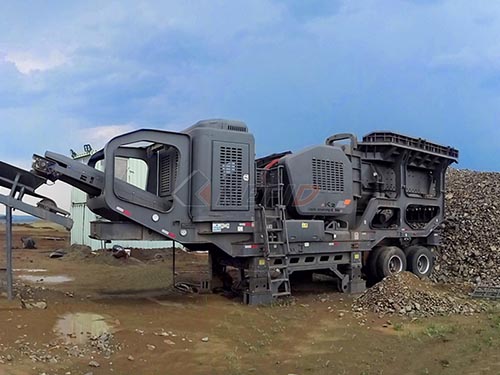
- Technical Expertise & System Integration: Reputable dealers employ application engineers who conduct site surveys analyze feed material characteristics (
Wi – Work Index), define final product requirements (gradations), and design an optimal plant flow sheet (process flow diagram). They ensure all components from different sub-suppliers work in harmony.
- Single Point of Accountability: The dealer assumes responsibility for the entire package’s performance (
guaranteed capacity), sparing the client from managing dozens of individual vendors.
- Bulk Order Advantages:
- Volume Discounting: Significant cost savings on both equipment packages and spare part inventories.
- Standardization: For companies operating multiple quarries or expanding regionally ordering several identical plants ensures standardization simplifies operator training maintenance procedures spare parts stocking
- Streamlined Logistics & Project Management The dealer coordinates shipping installation commissioning across multiple sites leveraging their experience
- After-Sales Support Ecosystem This includes comprehensive warranty local field service technicians readily available genuine wear & spare parts on-site operator training predictive maintenance programs
Key Considerations When Placing a Bulk Order
- Site-Specific Engineering: Geology dictates technology Hard abrasive granite demands robust cone crushers with manganese steel liners while softer limestone may allow use impactors Wear part consumption analysis critical profitability
2 Total Cost Ownership TCO Evaluation Beyond initial purchase price factors include energy consumption footprint expected wear life critical components ease maintenance accessibility projected downtime costs
3 Future Flexibility Modular design allows future expansion integration additional circuits example dedicated sand washing system Environmental compliance increasingly non negotiable Modern plants must incorporate advanced dust collection noise abatement measures water recycling systems
4 Financing Options Dealers often partner financial institutions offer tailored solutions leasing long term loans aligning payment schedules projected cash flows project
Market Trends Influencing Demand
- Global Infrastructure Push: Initiatives worldwide focused renewable energy projects data center construction urban renewal drive massive demand bulk aggregates
- Technological Integration Smart plants equipped IoT sensors monitor vibration temperature throughput enabling predictive maintenance remote diagnostics maximizing uptime
- Sustainability Focus Crushers designed better particle shape reducing need binder asphalt concrete leading lower carbon emissions Also growing use electric hybrid drives reduce footprint
Conclusion
A stationary stone crushing plant rated at tons per hour represents strategic long term investment backbone modern aggregate supply industry Its success depends not just quality individual machinery but holistic integration engineering support behind it Partnering established dealer place bulk order provides pathway achieving necessary economies scale operational reliability required competitive marketplace Ultimately such facility transforms raw rock into fundamental building blocks civilization enabling growth while demanding sophisticated approach management procurement
