
In the realm of large-scale aggregate production for infrastructure, mining, and construction projects, the 250-300 tons per hour (TPH) stone crushing plant represents a critical mid-to-large-capacity workhorse. This capacity range is strategically significant, often serving as the primary production line for major road projects, large concrete batching plants, and substantial commercial developments. The decision to establish such a plant typically involves a significant capital investment and long-term operational commitment. Consequently, the contractual agreement between the project owner (or contractor) and the plant manufacturer is not merely a purchase order but a complex document governing design, supply, installation, performance, and long-term support. This article delves into the intricacies of a 250-300 TPH stone crushing plant contract from the perspective of engaging a manufacturer, outlining key components, technical considerations, and best practices.
Before dissecting the contract, it is essential to understand what this capacity entails. A 250-300 TPH plant is designed to process hard rock (like granite, basalt) or medium-hard rock (limestone) into specified aggregate sizes (e.g., 0-5mm sand, 5-10mm, 10-20mm chips). It is a complete system comprising several interconnected stages:
The plant layout can be stationary (for long-term quarry sites) or semi-portable/skid-mounted for relative mobility between project sites.
A well-structured contract mitigates risk for both parties—the buyer ensures performance and delivery, while the manufacturer defines scope and payment terms clearly.
1. Preamble & Definitions:
Clearly identifies the parties involved (“Owner” vs “Manufacturer/Supplier”), project name (“The [Project Name] 300TPH Aggregate Production Plant”), and defines all key technical terms used throughout (e.g., “Throughput Capacity,” “Product Gradation,” “Warranty Period”).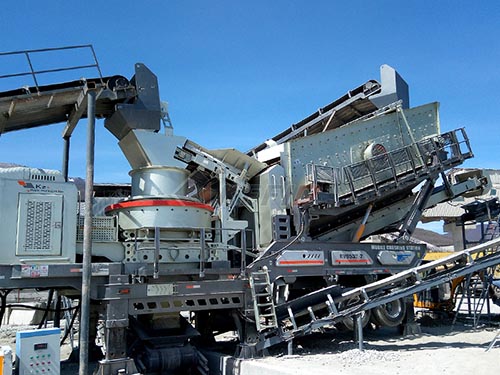
2. Technical Specifications & Scope of Supply:
This is the contract’s heart in an appendix or exhibit. It must be exhaustively detailed:
3. Commercial Terms:
4. Timeline & Project Management: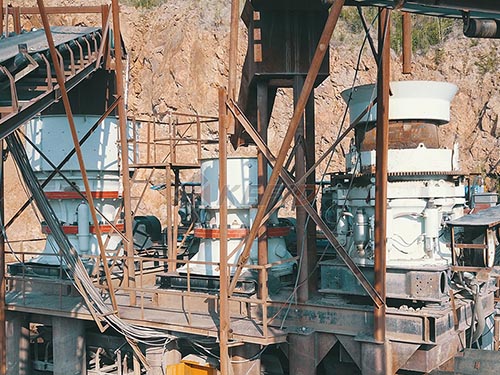
5 Installation Commissioning & Training
Defines responsibilities
*Manufacturer Obligations Provide supervisory engineers for erection guidance mechanical alignment PLC programming startup training Owner Obligations Provide skilled labor tools cranes local transport utilities consumables lubricants The contract should specify duration e g , days free supervision after which daily rates apply
Training curriculum covering operation maintenance troubleshooting safety must be documented
6 Performance Testing Acceptance
A rigorous procedure
Test Duration Typically hours continuous stable operation Feed Material Must match contracted specifications rock type moisture content Test Method Weighbridge measurement belt scales sampling sieve analysis Witnessing By both parties Results If guarantees met signed Provisional Acceptance Certificate PAC issued If not met manufacturer given time remedy retest Failure may lead to financial penalties underperformance clause rejection
7 Warranties
Two distinct types
Equipment Warranty Usually months from PAC covers defects materials workmanship Manufacturer repairs replaces defective parts free cost excludin wear parts liners belts etc
Performance Warranty Guarantees capacity gradation power consumption Typically months from PAC Remedies may include modifications equipment additions financial compensation
8 Intellectual Property Force Majeure Dispute Resolution Governing Law
Standard legal clauses crucial protection Manufacturer retains design IP Owner receives asbuilt drawings manuals Force Majeure covers unforeseeable events delaying performance Dispute resolution often starts amicably escalates arbitration court specified jurisdiction Governing law chosen neutral international commercial law common choice
Beyond contract drafting selecting reputable manufacturer paramount due diligence includes
Review Portfolio Visit reference sites similar capacity inspect running plants talk operators Financial Stability Assess ability execute project withstand supply chain delays Technical Expertise Evaluate inhouse engineering team design capability automation proficiency AfterSales Service Global network spare parts availability response time commitment Factory Audit Witness manufacturing quality control processes firsthand Reputation Industry references client testimonials project history Avoid selecting solely lowest price often compromises quality support leading higher lifecycle costs
Contract manufacturing TPH stone crushing plant complex undertaking balancing technical requirements commercial interests legal protections comprehensive detailed contract serves roadmap successful partnership clear definitions unambiguous specifications realistic timelines equitable risk allocation thorough due diligence selecting experienced established manufacturer equally critical Ultimately goal secure not just collection machinery but fully integrated highperformance production asset delivers promised return investment years come Investing time resources upfront meticulous contracting process pays dividends form reliable efficient profitable aggregate production operation
Lorem ipsum dolor sit amet, consectetur adipisicing elit. Consectetur sequi saepe ut sunt eveniet perferendis excepturi, iste obcaecati. Qui tempore hic sed quia soluta obcaecati vel.