
In the realm of aggregate production for construction, mining, and infrastructure development, the 250-300 tons per hour (TPH) stone crushing plant represents a critical benchmark in medium-to-large scale operations. This capacity range is strategically significant, offering an optimal balance between high-volume output and manageable capital investment, making it a preferred choice for regional quarry operators, major contractors undertaking large projects, and dedicated aggregate suppliers. This article provides a detailed professional analysis of such a plant’s assembly process, typical configuration, and the multifaceted factors influencing a commercial quote.
A 250-300 TPH plant is designed to process hard rock (granite, basalt) or medium-hard rock (limestone, dolomite) into specified aggregate sizes—from coarse base materials (e.g., 1.5″) to fine aggregates and sometimes sand. At this capacity, the plant can typically support the demands of a major highway project, a large residential development, or supply multiple ready-mix concrete plants simultaneously.
The core objective is to transform blasted raw feed (typically with an upper size limit of 500-700mm) into saleable products through a series of size reduction and classification stages. The design philosophy emphasizes reliability, efficiency in energy consumption per ton produced, and product flexibility. Unlike smaller plants (<150 TPH), which might be semi-portable, a 250-300 TPH installation is often semi-stationary or fixed, designed for a lifespan of 10-15 years at a primary site.
The assembly of a 250-300 TPH plant is not merely about connecting machines; it is the integration of a synchronized production system. A standard three-stage crushing circuit is most common for achieving optimal product shape and yield.
1. Primary Crushing Station:
2. Secondary Crushing Station:
3. Tertiary/Final Crushing & Screening Station:
4. Ancillary Systems – Integral to Assembly:
Assembly can occur in two primary contexts:
1. Factory Pre-Assembly & Modularization:
Modern plants are increasingly built using modular design principles. Major skids—like the secondary crushing module with its crusher, feeder, discharge conveyor mounted on a single frame—are assembled under controlled factory conditions. This ensures higher quality welding/alignment reduces on-site labor costs/time dramatically minimizes weather delays improves safety by limiting complex tasks at height on-site.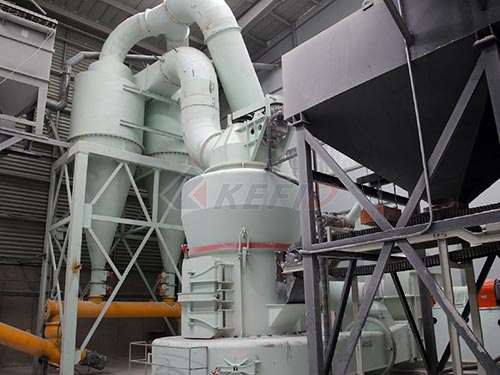
2. On-Site Erection & Commissioning:
Even with modules significant work remains:
A commercial quote for complete turnkey supply erection commissioning will vary widely but hinges on these factors:
**1 Equipment Selection Brand Tier Premium European/North American brands CEDARAPIDS METSO SANDVIK command higher capital cost than reputable Asian OEMs offering potentially lower upfront cost different life-cycle cost profile
**2 Degree Automation Sophistication Basic relay-based control vs centralized PLC SCADA system allowing remote monitoring automatic setting adjustments directly impacts wiring instrumentation costs
**3 Material Characteristics Abrasiveness Hardness Required Final Products Highly abrasive rock mandates more expensive wear-resistant alloys liners more frequent changeouts factored into design Producing chip sand may require vertical shaft impact VSI crusher adding complexity
**4 Environmental Regulations Stringent sites require enclosed buildings sound barriers comprehensive water recycling systems beyond basic dust collection significantly increasing structural costs
**5 Site-Specific Logistics Remote location difficult terrain increase mobilization demobilization costs local labor rates availability influence erection timeline budget
A typical budgetary quote range could be $2 million USD upwards depending on these variables excluding ongoing operational costs like power labor wear parts
When evaluating proposals clients must look beyond headline TPH figure:
–Overall Plant Availability Design: Reliability maintainability ease accessing components routine maintenance
–Energy Efficiency: Motor selections drive systems significantly impact operating expense
–Product Flexibility: Can screen decks be changed quickly adapt different product specifications market demands
–Supplier Support: Quality technical documentation training spare parts availability local service engineers crucial minimizing downtime
The assembly implementation successful TPH stone crushing plant represents major capital project requiring multidisciplinary expertise combining mechanical electrical civil engineering environmental science Effective execution demands meticulous planning from initial site survey through final commissioning While equipment forms core value true operational success lies integrated system design quality assembly long-term support structure chosen supplier Therefore procuring such plant should viewed strategic partnership focused total lifecycle productivity not merely transactional purchase By understanding intricate components assembly process key drivers behind quote stakeholders can make informed decisions ensure their investment delivers required return through reliable efficient high-volume aggregate production years come
Lorem ipsum dolor sit amet, consectetur adipisicing elit. Consectetur sequi saepe ut sunt eveniet perferendis excepturi, iste obcaecati. Qui tempore hic sed quia soluta obcaecati vel.